ما الفرق بين القولبة بالحقن والقولبة بالضغط بالسيليكون؟
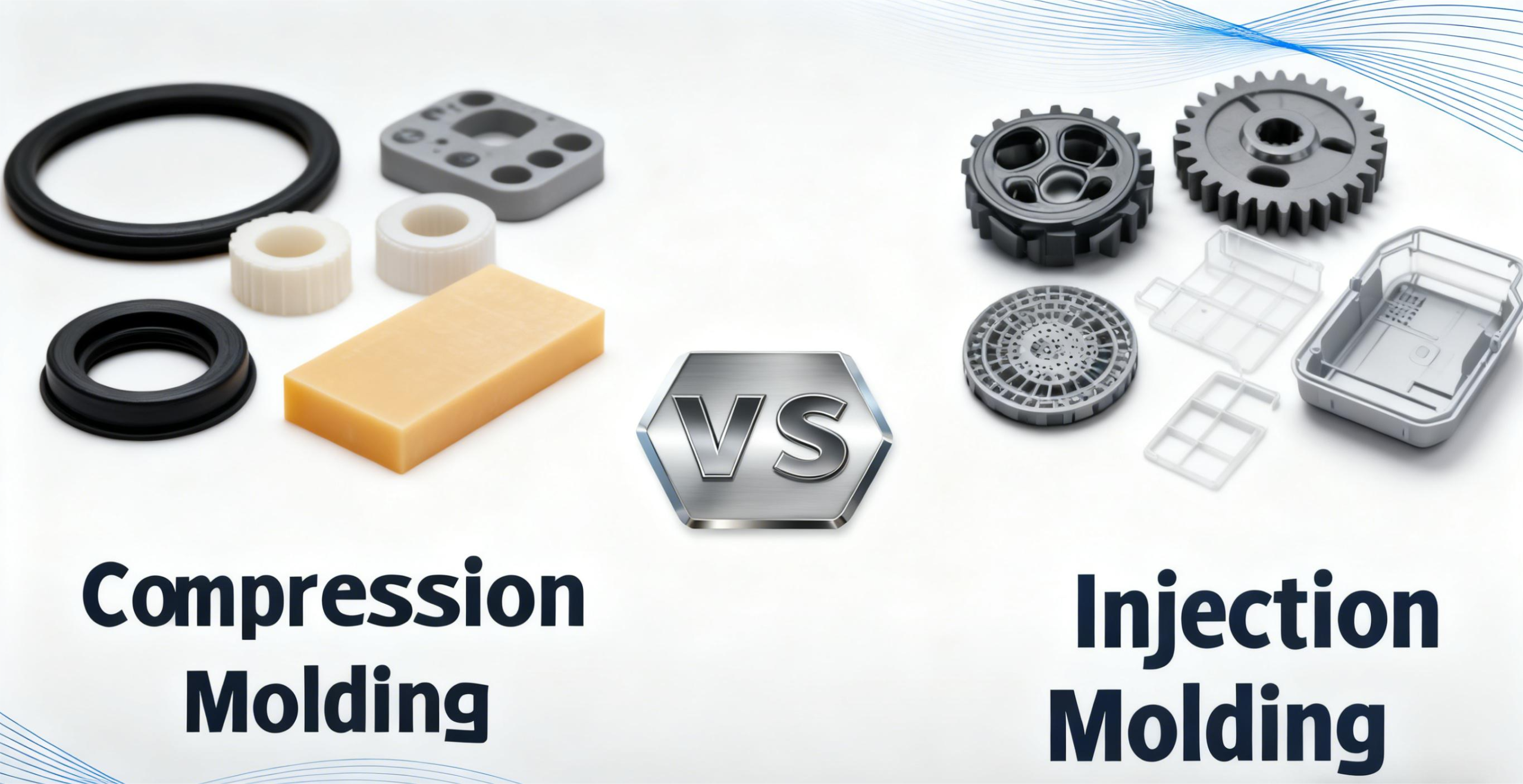
في عالم التصنيع، يُعد القولبة بالحقن والقولبة بالضغط باستخدام السيليكون عمليتين محوريتين تساهمان في تشكيل مجموعة واسعة من المنتجات التي نستخدمها يوميًا — بدءًا من قطع غيار السيارات وعلب الأجهزة الإلكترونية وصولاً إلى الأجهزة الطبية وأدوات المطبخ. ولكن بالنسبة للعديد من رواد الأعمال ومصممي المنتجات ومتخصصي المشتريات، فإن فهم الجوهر الأساسي لهاتين التقنيتين للقولبة ووظائفهما وكيفية اختلافهما أمر بالغ الأهمية لاتخاذ قرارات إنتاجية مستنيرة. في هذه المدونة، سنشرح بالتفصيل ماهية القولبة بالحقن والقولبة بالضغط بالسيليكون، ودوريهما الرئيسيين في التصنيع، وسنقارن بين وظائفهما ومزاياهما وعيوبهما، وسنجيب على الأسئلة الشائعة، ونختتم بالنقاط الرئيسية التي يجب أخذها في الاعتبار. سواء كنت تبحث عن حلول القولبة لتطوير المنتجات, مقارنة تكاليف القولبة بالحقن مقابل القولبة بالضغط, ، أو اختيار عملية التشكيل المناسبة لقطع السيليكون, ، فهذا الدليل يوفر لك كل ما تحتاجه.
ما هو القولبة بالحقن والقولبة بالضغط باستخدام السيليكون؟ وما هي وظائفهما الأساسية؟
قبل الخوض في الاختلافات، دعونا نوضح التعريفات الأساسية والأدوار الرئيسية لكل عملية — وهي معرفة أساسية لأي شخص يرغب في استكشاف هذا الموضوع تقنيات القولبة الصناعية أو تصنيع قطع بلاستيكية/سيليكونية حسب الطلب.
القولبة بالحقن: التعريف والوظيفة
القولبة بالحقن هي عملية تصنيع بكميات كبيرة تُستخدم لإنتاج قطع بلاستيكية معقدة بدقة عالية. تتضمن العملية صهر الراتينج البلاستيكي (في شكل حبيبات) داخل أسطوانة مُسخَّنة، ثم حقن البلاستيك المنصهر في تجويف قالب مغلق تحت ضغط عالٍ. وبمجرد أن يبرد البلاستيك ويتصلب، يُفتح القالب لإخراج القطعة النهائية.
وتتمثل وظيفتها الأساسية في الإنتاج الضخم للمكونات البلاستيكية المعقدة والمتسقة بكفاءة. وهي تُستخدم على نطاق واسع في مختلف القطاعات لتصنيع قطع مثل أغلفة إلكترونية مصبوبة بالحقن, قطع غيار المقصورة الداخلية للسيارات, حاويات التعبئة والتغليف, ، و مكونات الأجهزة الطبية. تكمن القيمة الأساسية للقولبة بالحقن في قدرتها على إنتاج تصميمات مفصلة بكميات كبيرة، مما يجعلها الخيار المفضل لعمليات الإنتاج بكميات كبيرة.
القولبة بالضغط باستخدام السيليكون: التعريف والوظيفة
القولبة بالضغط باستخدام السيليكون هي عملية قولبة متخصصة مصممة خصيصًا لمواد مطاط السيليكون. وتتم هذه العملية عن طريق وضع كمية محددة مسبقًا من مركب السيليكون (غالبًا على شكل صفائح أو سائب) في تجويف قالب مفتوح. ثم يُغلق القالب، ويتم تطبيق الحرارة والضغط لمعالجة (فلكنة) السيليكون، مما يحوله إلى قطعة صلبة تتطابق مع شكل القالب.
وتتمثل وظيفتها الأساسية في إنتاج قطع من السيليكون عالية الجودة تتميز بمرونة ممتازة ومقاومة للحرارة واستقرار كيميائي. وتشمل التطبيقات الشائعة ما يلي: حشيات سيليكون مصبوبة بالضغط, الأختام, مكونات من السيليكون المخصص للاستخدام الطبي, أدوات المطبخ المصنوعة من السيليكون, ، و خراطيم السيليكون المستخدمة في صناعة السيارات. وعلى عكس القولبة بالحقن (التي تُعد طريقة متعددة الاستخدامات بالنسبة للبلاستيك)، فإن القولبة بالضغط للسيليكون مصممة خصيصًا لتتناسب مع الخصائص الفريدة للسيليكون، مما يضمن الأداء الأمثل للأجزاء.
مقارنة بين الطريقتين: القولبة بالحقن مقابل القولبة بالضغط باستخدام السيليكون
لفهم كيفية مقارنة هاتين العمليتين بشكل أفضل، دعونا نقارن وظائفهما الأساسية — بما في ذلك توافق المواد، وحجم الإنتاج، ومدى تعقيد القطع، والدقة. هذا القسم ضروري لأي شخص الاختيار بين عمليات التشكيل للأجزاء المصنوعة حسب الطلب أو تقييم كفاءة القولبة من أجل توسيع نطاق الإنتاج.
الجانب الوظيفي
القولبة بالحقن
القولبة بالضغط باستخدام السيليكون
توافق المواد
يعمل مع مجموعة واسعة من اللدائن الحرارية (مثل ABS، PP، PE، PC) وبعض اللدائن غير القابلة لإعادة التشكيل؛ وهو غير مناسب لمطاط السيليكون.
مخصص لمطاط السيليكون (بما في ذلك مطاط السيليكون السائل، LSR، في بعض الأنظمة المتطورة)؛ غير متوافق مع اللدائن الحرارية.
حجم الإنتاج
مُحسَّن للإنتاج بكميات كبيرة (10,000 قطعة فأكثر)؛ وفعال في النسخ بكميات كبيرة.
مناسبة لحجم الإنتاج المنخفض إلى المتوسط (100–10,000 قطعة)؛ وهي أقل كفاءة في عمليات الإنتاج ذات الحجم الفائق مقارنةً بالقولبة بالحقن.
تعقيد الأجزاء
يتميز بأداء ممتاز في التعامل مع الأشكال الهندسية المعقدة (مثل التجاويف السفلية، والجدران الرقيقة، والتفاصيل الدقيقة) بفضل تقنية الحقن عالي الضغط.
يتعامل مع مستويات معقولة من التعقيد؛ ويقتصر ذلك على آليات إغلاق القالب (تتطلب الأجزاء المقطوعة من الأسفل تصميمات أكثر تعقيدًا للقالب).
الدقة والتفاوت المسموح به
دقة عالية (تفاوتات ضيقة تصل إلى ±0.001 بوصة)؛ وتوحيد متسق بين القطع المختلفة من أجل الإنتاج الضخم.
دقة جيدة (تتراوح التفاوتات المسموح بها حول ±0.005 بوصة)؛ وهي أقل قليلاً من دقة القولبة بالحقن، لكنها كافية لتلبية احتياجات معظم قطع السيليكون.
مدة الدورة
أوقات دورات قصيرة (10–60 ثانية لكل قطعة) بفضل أنظمة الحقن والتبريد الآلية.
أوقات دورات أطول (30–120 ثانية لكل قطعة) بسبب الحاجة إلى المعالجة الحرارية (الفلكنة) للسيليكون.
الإيجابيات والسلبيات: القولبة بالحقن مقابل القولبة بالضغط باستخدام السيليكون
يُعد فهم مزايا وعيوب كل عملية أمرًا بالغ الأهمية من أجل اختيار عملية القولبة ذات الكفاءة من حيث التكلفة و تحسين جودة المنتج. فيما يلي تفصيل مفصل لمساعدتك في تقييم خياراتك.
القولبة بالحقن: الإيجابيات والسلبيات
المزايا
كفاءة إنتاجية عالية: إن قصر مدة الدورات والتشغيل الآلي يجعلها خيارًا مثاليًّا للإنتاج على نطاق واسع، مما يقلل من تكاليف الوحدة الواحدة في عمليات الإنتاج ذات الحجم الكبير.
القدرة على التعامل مع الأجزاء المعقدة: يمكنها إنتاج قطع ذات تفاصيل دقيقة وجدران رقيقة وتجاويف يصعب على عمليات القولبة الأخرى التعامل معها — مما يجعلها مثالية لـ المكونات الإلكترونية المصبوبة بالحقن و قطع غيار السيارات الدقيقة.
جودة ثابتة: تضمن التفاوتات الدقيقة والانحرافات الدنيا بين الأجزاء جودة منتجات متجانسة، وهو أمر بالغ الأهمية في صناعات مثل الصناعة الطبية وصناعة السيارات.
تنوع المواد: متوافق مع عشرات أنواع اللدائن الحرارية، مما يتيح مجموعة واسعة من خصائص المواد (مثل الصلابة والمرونة ومقاومة الحرارة).
العيوب
تكاليف أولية مرتفعة: إن تكلفة صناعة قوالب الصب باهظة (غالبًا ما تتراوح بين $5,000 و$50,000+)، مما يجعلها غير عملية للإنتاج بكميات صغيرة أو لتصنيع النماذج الأولية.
فترات التسليم الطويلة: قد يستغرق تصميم وتصنيع قوالب الحقن ما بين 4 و8 أسابيع، مما يؤدي إلى تأخير طرح المنتج في المشاريع التي تتطلب سرعة التنفيذ.
غير مناسب للسيليكون: لا يمكن معالجة مطاط السيليكون بفعالية، مما يحد من استخدامه في الأجزاء المرنة أو المقاومة للحرارة.
القولبة بالضغط باستخدام السيليكون: الإيجابيات والسلبيات
المزايا
التخصص في مجال السيليكون: مُحسَّن للاستخدام مع مطاط السيليكون، مما ينتج عنه قطع تتمتع بمرونة ممتازة، ومقاومة للحرارة (من -60 درجة مئوية إلى 250 درجة مئوية)، ومقاومة للمواد الكيميائية، وتوافق حيوي — وهو مثالي لـ أجزاء مصنوعة من السيليكون الطبي و أختام سيليكون مقاومة للحرارة العالية.
تكاليف أولية أقل: تُعد أدوات صناعة القوالب أقل تكلفة ($1,000–$10,000) مقارنةً بالقولبة بالحقن، مما يجعلها خيارًا مناسبًا لحجم الإنتاج المنخفض إلى المتوسط ولصناعة النماذج الأولية.
تصميم قوالب أبسط: تتميز القوالب بأنها أقل تعقيدًا، مما يقلل من المدة الزمنية اللازمة للتنفيذ (2–4 أسابيع) ويجعل عمليات تعديل التصميم أسهل وأقل تكلفة.
مناسب للأجزاء ذات الجدران السميكة: يتفوق في إنتاج قطع سيليكون ذات جدران سميكة دون ظهور علامات انخفاض أو عيوب داخلية، وهو ما يمثل تحديًا في عملية القولبة بالحقن.
العيوب
انخفاض كفاءة الإنتاج: إن طول مدة الدورات والتشغيل شبه الآلي يجعلان هذه الطريقة أقل كفاءة في عمليات الإنتاج بكميات كبيرة (حيث ترتفع تكلفة الوحدة مع زيادة كميات الإنتاج).
تعقيد محدود للأجزاء: لا يمكنها التعامل مع الأشكال الهندسية شديدة التعقيد (مثل: التجاويف الدقيقة، والجدران فائقة الرقة) بنفس كفاءة القولبة بالحقن.
القيود المتعلقة بالمواد: متوافق فقط مع مطاط السيليكون، مما يقتصر استخدامه على الأجزاء التي تتطلب الخصائص الفريدة للسيليكون.
أسئلة وأجوبة شائعة: القولبة بالحقن مقابل القولبة بالضغط باستخدام السيليكون
فيما يلي إجابات على الأسئلة الأكثر شيوعًا حول هاتين العمليتين للتشكيل — وهي مفيدة لأي شخص البحث عن حلول القولبة أو استكشاف الأخطاء وإصلاحها في قرارات عملية التشكيل.
السؤال 1: متى ينبغي عليّ اختيار القولبة بالحقن بدلاً من القولبة بالضغط باستخدام السيليكون؟
اختر القولبة بالحقن إذا كنت بحاجة إلى إنتاج قطع بلاستيكية تُنتج بكميات كبيرة (أكثر من 10,000 وحدة) ذات أشكال هندسية معقدة، وتفاوتات ضيقة، وجودة ثابتة. كما أنها الخيار الأمثل إذا كنت تعمل مع اللدائن الحرارية (مثل ABS وPP) وترغب في تقليل تكلفة الوحدة في عمليات الإنتاج بكميات كبيرة. على سبيل المثال، إذا كنت تقوم بتصنيع 50,000 غطاء هاتف بلاستيكي أو ألواح داخلية للسيارات، فإن القولبة بالحقن هي الخيار الأكثر كفاءة.
السؤال 2: متى يُعد القولبة بالضغط باستخدام السيليكون الخيار الأفضل؟
يُعد القولبة بالضغط باستخدام السيليكون خيارًا أفضل لـ قطع السيليكون ذات الحجم الصغير إلى المتوسط (100–10,000 وحدة) التي تتطلب مرونة أو مقاومة للحرارة أو توافقًا حيويًّا. كما أنها تُعد الخيار المثالي إذا كانت ميزانيتك المخصصة للأدوات محدودة، أو كنت بحاجة إلى مهلة إنتاج سريعة، أو كنت تقوم بإنتاج قطع سيليكون ذات جدران سميكة (مثل: الحشيات، والموانع التسرب، والغرسات الطبية). على سبيل المثال، إذا كنت تصنع 1,000 مانع تسرب من السيليكون الطبي أو 5,000 ملعقة مطبخ من السيليكون، فإن القولبة بالضغط تكون أكثر فعالية من حيث التكلفة وأكثر عملية.
السؤال 3: هل القولبة بالحقن أكثر تكلفة من القولبة بالضغط باستخدام السيليكون؟
يعتمد ذلك على حجم الإنتاج. يتطلب القولبة بالحقن تكاليف أولية أعلى للقوالب، لكن تكلفة الوحدة تكون أقل في عمليات الإنتاج بكميات كبيرة. أما القولبة بالضغط باستخدام السيليكون، فتتطلب تكاليف أولية أقل، لكن تكلفة الوحدة تكون أعلى عند إنتاج كميات كبيرة. على سبيل المثال، إذا كنت تنتج 1,000 قطعة، فستكون القولبة بالضغط أرخص بشكل عام. أما إذا كنت تنتج 50,000 قطعة، فسيوفر القولبة بالحقن كفاءة أفضل من حيث التكلفة.
السؤال 4: هل يمكن استخدام عملية القولبة بالحقن في تصنيع مطاط السيليكون؟
لم يتم تصميم عملية القولبة بالحقن التقليدية لاستخدام مطاط السيليكون. ومع ذلك، هناك عملية متخصصة تُسمى القولبة بالحقن لمطاط السيليكون السائل (LSR) التي يمكنها معالجة السيليكون، لكنها تتطلب معدات وأدوات متخصصة (وهي أكثر تكلفة من القولبة بالضغط). وبالنسبة لمعظم تطبيقات قطع السيليكون، تُعد القولبة بالضغط الخيار الأكثر فعالية من حيث التكلفة والأكثر سهولة.
السؤال 5: ما هي العملية التي توفر جودة أفضل للأجزاء المصنوعة من السيليكون؟
يُنتج القولبة بالضغط للسيليكون قطعًا من السيليكون عالية الجودة ذات خصائص ثابتة (المرونة، ومقاومة الحرارة) تفي بمعظم معايير الصناعة. ويمكن أن توفر القولبة بالحقن باستخدام السيليكون المرن (LSR) دقة أفضل قليلاً بالنسبة لقطع السيليكون المعقدة، لكنها أكثر تكلفة. بالنسبة لمعظم تطبيقات السيليكون (مثل الحشيات، والموانع التسرب، والأواني)، يوفر القولبة بالضغط جودة كافية بتكلفة أقل.
الخلاصة: النقاط الرئيسية التي يجب مراعاتها عند اختيار عملية التشكيل المناسبة
باختصار، فإن الفرق بين القولبة بالحقن والقولبة بالضغط للسيليكون يتلخص في توافق المواد, حجم الإنتاج, تعقيد الأجزاء, ، و هيكل التكاليف. يُعد القولبة بالحقن الخيار الأمثل للأجزاء البلاستيكية المعقدة التي تُنتج بكميات كبيرة، في حين أن القولبة بالضغط بالسيليكون متخصصة في إنتاج أجزاء السيليكون ذات الكميات المنخفضة إلى المتوسطة التي تتطلب مرونة ومقاومة للحرارة.
عند اتخاذ قرارك، ضع في اعتبارك متطلبات المواد الخاصة بمنتجك، وحجم الإنتاج، والميزانية، ومدة التنفيذ. إذا كنت غير متأكد من العملية الأنسب لمشروعك، فاستشر شركة متخصصة في تصنيع القوالب لتقييم تصميمك وتقديم توصيات مخصصة. وسواء اخترت القولبة بالحقن للأجزاء البلاستيكية أو القولبة بالضغط باستخدام السيليكون للمكونات المرنة, ، وسيضمن اختيار العملية المناسبة جودة المنتج، والكفاءة من حيث التكلفة، والتسليم في الموعد المحدد.
إذا وجدت هذا الدليل مفيدًا، فاطلع على مواردنا الأخرى على حلول القوالب المخصصة, تحسين عملية القولبة, ، و أفضل الممارسات في مجال التصنيع الصناعي. للحصول على مشورة مخصصة بشأن مشروع القوالب الخاص بك، تواصل مع فريق خبرائنا اليوم!

 English
  Chinese
  Japanese
  Spanish
  French
  Arabic
  Russian
  Portuguese
  Belarusian