
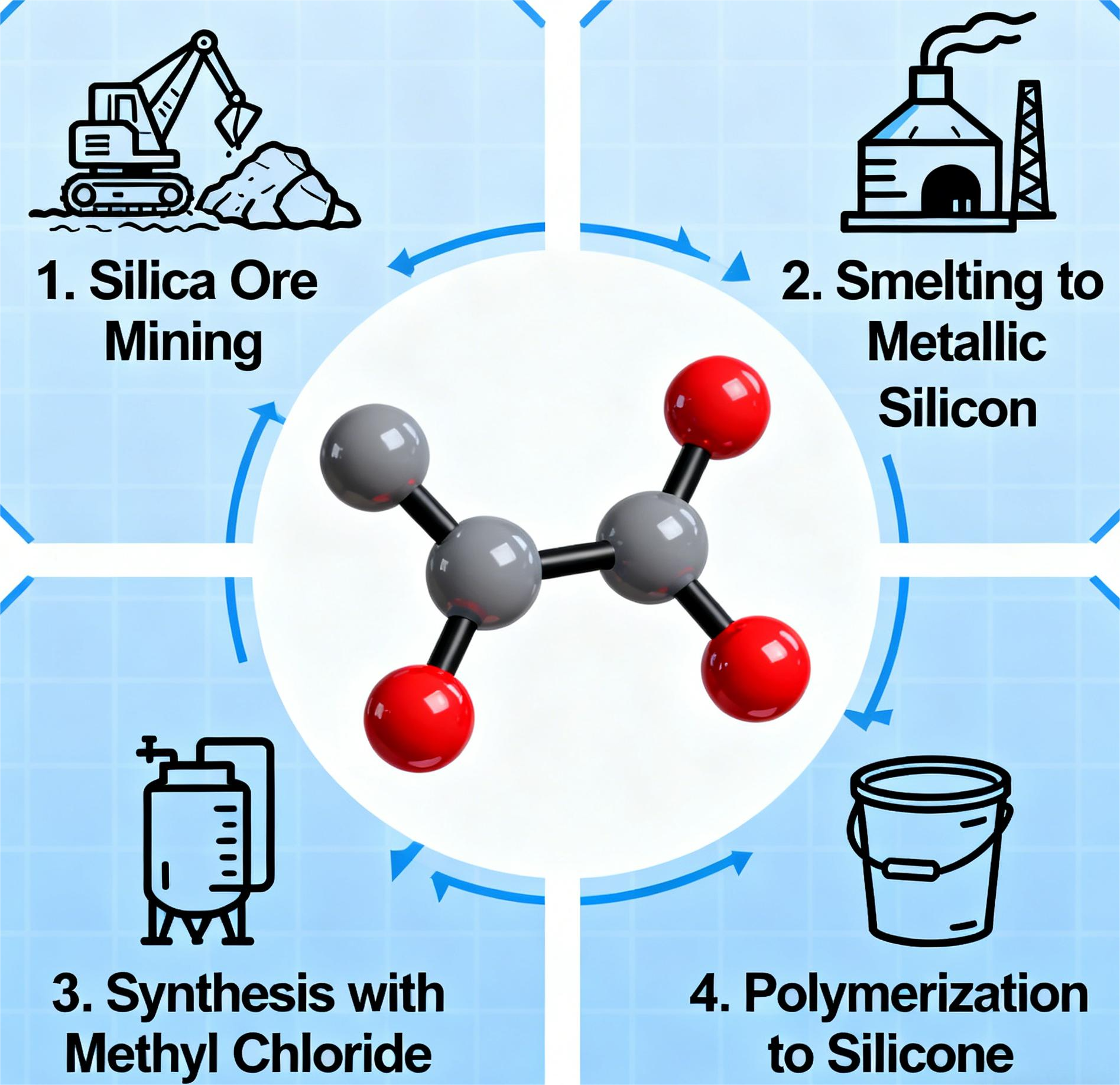
Сілікон — гэта ўніверсальны сінтэтычны матэрыял, які выкарыстоўваецца ў незлічоных галінах прамысловасці: ад аўтамабільнай прамысловасці і медыцынскіх вырабаў да сродкаў асабістай гігіены і будаўніцтва. Яго ўнікальныя ўласцівасці, у тым ліку ўстойлівасць да цяпла, гнуткасць і хімічная стабільнасць, робяць яго незаменным у сучаснай вытворчасці. Але ці задумваліся вы калі-небудзь, Як вырабляецца сілікон крок за крокам? У гэтым вычарпальным кіраўніцтве мы разбяром увесь працэс вытворчасці сілікону, падрабязна апішам ключавыя машыны, якія ў ім выкарыстоўваюцца, і тое, як імі карыстацца (як Тыпы сіліконавых прэсаў для ліцця пад ціскам і кіраўніцтва па выкарыстанні), адказваць на распаўсюджаныя пытанні і дзяліцца ведамі, адаптаванымі для прафесіяналаў галіны. Незалежна ад таго, з'яўляецеся вы вытворцам, пакупніком ці проста цікаўным энтузіястам, гэты дапаможнік растлумачыцьМетады вытворчасці сілікону для прамысловага выкарыстання, у тым ліку парады па Як выбраць сыравіну для вытворчасці сіліконавага гумоў і Парады па кантролі часу застывання і тэмпературы сілікону.
Асноўная сыравіна для вытворчасці сілікону
-
Крэмній (выдзелены з крэмнезёму)
-
Хларавы газ (для вытворчасці сілікону тэтрахларыду)
-
Вада (для рэакцый гідролізу)
-
Вінілавы сіліконавы алей (асноўная сыравіна для вытворчасці сіліконавага гумкі)
-
Каталізатары (напрыклад, плаціна для дадатковага зацвярдзення)
-
Умацоўваючыя напаўняльнікі (напрыклад, дыстыляваны крэмнезем для павышэння трываласці)
Працэс вытворчасці сілікону крок за крокам: ад сыравіны да гатовай прадукцыі
Крок 1: Выпрацоўка крэмнію метадам з высакаакіслага пяску
Ключавыя машыны і іх выкарыстанне
-
Электрадугавая печ:
-
Што гэта: выкарыстоўвае інтэнсіўнае электрычнае нагрэўванне (1800–2000 °C) для пераўтварэння кварцавага пяску ў крэмній. Сумесь кварцавага пяску і вугляроду (какс або вугаль) падаецца ў печ, дзе вуглярод рэагуе з кіслародам у кварцы, утвараючы дыяксід вугляроду, а ў выніку атрымліваецца чысты крэмній.
-
Як выкарыстоўваць: Загрузіце сумесь крэмнію і вугляроду ў графітавыя электроды печы. Прапусціце электрычны ток для стварэння неабходнай тэмпературы. Рэакцыя доўжыцца 6–8 гадзін, пасля чаго растоплены крэмній зліваецца з печы. Дайце крэмнію астыць і зацвярдзець у зліткі.
-
Крок 2: Вытворчасць хларасіланов (тэтрахларысiлу)
Ключавыя машыны і іх выкарыстанне
-
Рэактар з рухомым слоем:
-
Прынцып дзеяння: Забяспечвае рэакцыю паміж крэмніевым металам і хлорам для атрымання хласіланаў. Крэмніевы метал у выглядзе парашку падаецца ў струмені газу, а затым уводзіцца хлор, ствараючы аднароднае рэакцыйнае асяроддзе.
-
Спосаб прымянення: Сыліконавыя зліткі здрабніце да стану дробнага парашку і загрузіце ў рэактар. Нагрэйце рэактар да 250–300°C. Увядзіце хлорны газ у расплаўленую масу. У выніку рэакцыі ўтвараецца пара тетрахларыду крэмнію, якая астуджаецца і кандысуецца ў вадкасць для збору.
-
-
Кандыенсерная сістэмаАхалоджвае парах хларасілану да вадкага стану для захоўвання і далейшай апрацоўкі. Пераканайцеся, што тэмпература кандэнсатара ўсталявана ў дыяпазоне ад -20°C да -30°C для эфектыўнага кандэнсавання.
Крок 3: Гідроліз хларасіланаў з утварэннем монамераў сілоксану
Ключавыя машыны і іх выкарыстанне
-
Гідролізны рэактар:
-
Што гэта робіць: змешвае хларасіланы з вадой у кантраляваным асяроддзі для запуску гідролізу. У выніку рэакцыі ўтвараюцца сілоксанавыя манамеры (напрыклад, пры гідролізе дыметылдыхларасілану ўтвараецца дыметылсілоксан) і хлорыстая кіслата (HCl).
-
Спосаб прымянення: Дадайце вадкія хларасіланы і ваду ў рэактар у суадносінах 1:2. Падтрымлівайце тэмпературу 20–40°C, каб прадухіліць празмернае выдзяленне параў HCl. Непрерыўна змешвайце сумесь на працягу 1–2 гадзін для забеспячэння поўнага праходжання рэакцыі. Аддзяліце слой монамера сілоксану ад аквазнойнага слоя HCl з дапамогай сепаратара.
-
-
Ачышчальнік HCl: Выдаляе і нейтралізуе пабочныя прадукты гідрахлорыстай кіслаты для адпаведнасці нарматывам аховы навакольнага асяроддзя. Прапускаюць пар HCl праз раствор натрыю гідраксіду (NaOH), каб атрымаць соль і ваду.
Крок 4: Палімерызацыя сілаксанавых манамераў
Ключавыя машыны і іх выкарыстанне
-
Палімерызацыйны рэактар:
-
Прынцып дзеяння: Выкарыстоўвае цяпло і каталізатары для ініцыявання палімерызацыі, у выніку якой сілаксанавыя манамеры ўтвараюць доўгія, здольныя да ўзаемазвязвання палімерныя ланцугі. У якасці агульных каталізатараў выкарыстоўваюцца калій гідраксід (KOH) для кандэнсацыйнай палімерызацыі або плаціна для дабаўленчай палімерызацыі.
-
Спосаб прымянення: Загрузіце ў рэактар сілаксанавыя манамеры і адпаведны каталізатар. Нагрэйце сумесь да 100–150°C для кандэнсацыйнай палімерызацыі або да 80–120°C для дадавальнай палімерызацыі. Забяспечвайце пастаяннае ўзбіранне на працягу 4–6 гадзін для раўнамернага росту ланцугоў. Дадайце тэрмінатары ланцугоў (напрыклад, трыметылхласілан) для кантролю даўжыні і ўласцівасцей палімера.
-
-
Сістэма вакуумуВыдаляе нерэагаваныя манамеры і лятучыя пабочныя прадукты з палімернай сумесі. Працуйце з вакуумам пры ціску 0,1–1 мбар на апошнім этапе палімерызацыі для павышэння чысціні палімеру.
Крок 5: Змешванне (даданне напаўняльнікаў і дабавак)
Ключавыя машыны і іх выкарыстанне
-
Унутраны міксер (Банберы-міксер):
-
Прынцып дзеяння: змешвае палімер з узмацняльнымі напаўняльнікамі (напрыклад, дыменай крэмністай кіслатой), пластыфікатарамі, антыаксідантамі і фарбавальнікамі для атрымання аднароднай сіліконавай сумесі. Змешвальнік выкарыстоўвае круцільныя лязы для ўздзеяння зрэзачнай сілай, забяспечваючы стараннае рассейванне дабавак.
-
Спосаб прымянення: Загрузіце базавы палімер у змешвальнік. Нагрэйце камеру да 80–100°C для змякчэння палімера. Паступова дадавайце напаўняльнікі і дабаўкі пры абаротах нажаў 50–100 аб/хв. Змешвайце 20–30 хвілін, затым выгрузіце сумесь на шліфавальную машыну для далейшай апрацоўкі.
-
-
Двухвалковая млынаДапамагае выдаліць паветраныя бурбалкі з сіліконавай сумесі і забяспечыць яе аднастайную кансістэнцыю. Прапусціце сумесь паміж двума круцільнымі валакамі (тэмпература: 60–80°C) на працягу 5–10 хвілін, рэгулюючы адлегласць паміж валкамі для дасягнення жаданай таўшчыні.
Крок 6: Фармаванне (ліццё/экструзія) сіліконавага кампаўнда
Асноўныя машыны і іх прымяненне: ліццё пад ціскам, экструзія і тэрмафармаванне
-
Сіліконавы прэс для ліцця пад ціскам (для LSR і HCR):
-
Апісанне: Уводзіць расплаўлены сілікон у папярэдне разагрэтую форму для стварэння дакладных, складаных форм (напрыклад, медыцынскіх катэтараў, аўтамабільных ушчыльняльнікаў). Распаўсюджаныя тыпы ўключаюць мадэлі з поршнем, шнекавыя, з прамым прывадам і цалкам электрычныя — даведайцеся больш у нашым Тыпы сіліконавых прэсаў для ліцця пад ціскам і кіраўніцтва па выкарыстанні.
-
Як карыстацца:
-
Для вадкаснага сіліконавага гумкі (LSR): Загрузіце два кампаненты LSR (каталізатар і сеткавальны агент) у дазавальную адзінку. Змяшайце іх у статычным/дынамічным міксеры, затым увядзіце ў форму, разагрэтую да 180–220°C. Прымяніце ціск (100–200 бар) для запаўнення формы, затым палімерызуйце на працягу 1–5 хвілін. .
-
Для гумы высокай кансістэнцыі (HCR): падавайце папярэдне сфармаваныя палоскі HCR у шнекавы экструдар. Награвайце і змешвайце сумесь, затым уводзьце яе ў награваную прэсу (160–180°C) пад ціскам 150–250 бар. Замацоўвайце на працягу 5–15 хвілін. .
-
-
-
Сіліконавы экструдар:
-
Апісанне: Вырабляе бесперапынныя сіліконавыя вырабы (напрыклад, шлангі, пракладкі, профілі) шляхам працяснення супаставы праз матрицу жаданай формы.
-
Спосаб прымянення: Загрузіце змешаны сілікон у бункер экструдара. Шнек перамяшчае і награвае сілікон (80–120°C) да стану пластычнасці. Працясніце сілікон праз матрицу пад ціскам 50–100 бар. Астудзіце экструдаваны выраб вадой для замацавання формы, затым наразайце на патрэбную даўжыню.
-
-
Сіліконавая машына для тэрмафармавання:
-
Прынцып працы: награвае сіліконавыя лісты да стану пластычнасці, затым фармуе іх на форме з дапамогай вакууму або ціску (ідэальна для ўпакоўкі, аўтамабільных кампанентаў). .
-
Як выкарыстоўваць: Загрузіце сіліконавы ліст у прыладу. Нагрэйце ліст да 120–160°C, пакуль ён не стане гнуткім. Апусціце форму і стварыце вакуум (каб нацягнуць ліст на форму) або ціск (для стварэння дэталёвых форм). Астудзіце сфармаваны выраб, затым абрэжце лішні матэрыял.
-
Крок 7: Замацаванне (вулканізацыя)
Ключавыя машыны і іх выкарыстанне
-
Духавая шафа гарачага паветра:
-
Прызначэнне: Выкарыстоўвае сухую цяпло для зацвярдзення сіліконавых вырабаў. Ідэальна для невялікіх і сярэдніх партый (напрыклад, ушчыльняльнікаў, пракладак).
-
Спосаб прымянення: Пакладзіце фармаваныя сіліконавыя вырабы на рашоткі ў духоўцы. Усталюйце тэмпературу ад 150 да 200 °C і запякайце 10–30 хвілін (у залежнасці ад таўшчыні вырабу). Забяспечце належную цыркуляцыю паветра для раўнамернага запякання.
-
-
Бесперапынная лінія вулканізацыі (БЛВ):
-
Прызначэнне: эфектыўна зацвярджае бесперапынныя сіліконавыя вырабы (напрыклад, экструдаваныя шлангі) у вытворчасці вялікімі аб'ёмамі.
-
Спосаб прымянення: Прапускайце экструдаваны сілікон праз падагрэтую камеру (180–220°C) з пастаяннай хуткасцю (1–5 м/хв.). Прадукт застывае падчас праходжання праз камеру, пасля чаго астывае перад намотваннем або нарэзкай.
-
Крок 8: Завяршэнне вытворчасці і метады кантролю якасці сіліконавых вырабаў
Ключавыя машыны і іх выкарыстанне
-
Абрэзачная машынаЗразае лішкі матэрыялу з адлітых/экструдаваных вырабаў (напрыклад, лішнюю пластмасу пры ліцці пад ціскам). Выкарыстоўвайце лазерны стрымер для дакладнай апрацоўкі або механічны стрымер для масавай вытворчасці.
-
Абсталяванне для кантролю якасці:
-
Прыбор для вымярэння цвёрдасці: вымярае цвёрдасць па Шору (напрыклад, Шор A для гнуткага сілікону), каб забяспечыць аднастайнасць прадукту.
-
Цягавы выпрабавальнік: вызначае ўласцівасці разрыўнай трываласці і падаўжэння.
-
Станцыя візуальнага агляду: Правярае паверхневыя дэфекты (пухіры, трэшчыны) з дапамогай павялічальных шклячкоў або аўтаматызаваных камер.
-



 English
  Chinese
  Japanese
  Spanish
  French
  Arabic
  Russian
  Portuguese
  Belarusian