Colorful silicone products have been widely adopted in daily life and industrial sectors, ranging from vibrant silicone mobile phone cases, kitchenware, and children’s toys to high-performance industrial seals and medical components. Their prevalence is attributed to silicone’s intrinsic properties, including heat resistance, durability, flexibility, and non-toxicity. For individuals seeking to procure colorful silicone products that align with specific requirements—whether for personal consumption, commercial applications, or customized solutions—this comprehensive guide outlines the entire process. Key considerations such as requirement definition, supplier selection, customization process comprehension, and cost optimization are addressed, all insights integrated to facilitate informed decision-making.
1. Clarify Your Needs: The First Step To Getting Perfect Colorful Silicone Products
Prior to initiating the procurement of colorful silicone products, it is essential to clarify specific requirements. This not only narrows down the scope of options but also enables suppliers to provide accurate quotations and high-quality products. The following core questions require clarification:
a. What’s the Purpose of the Product?
The application scenario determines the type of silicone material, color standards, and performance specifications. Typical examples are as follows:
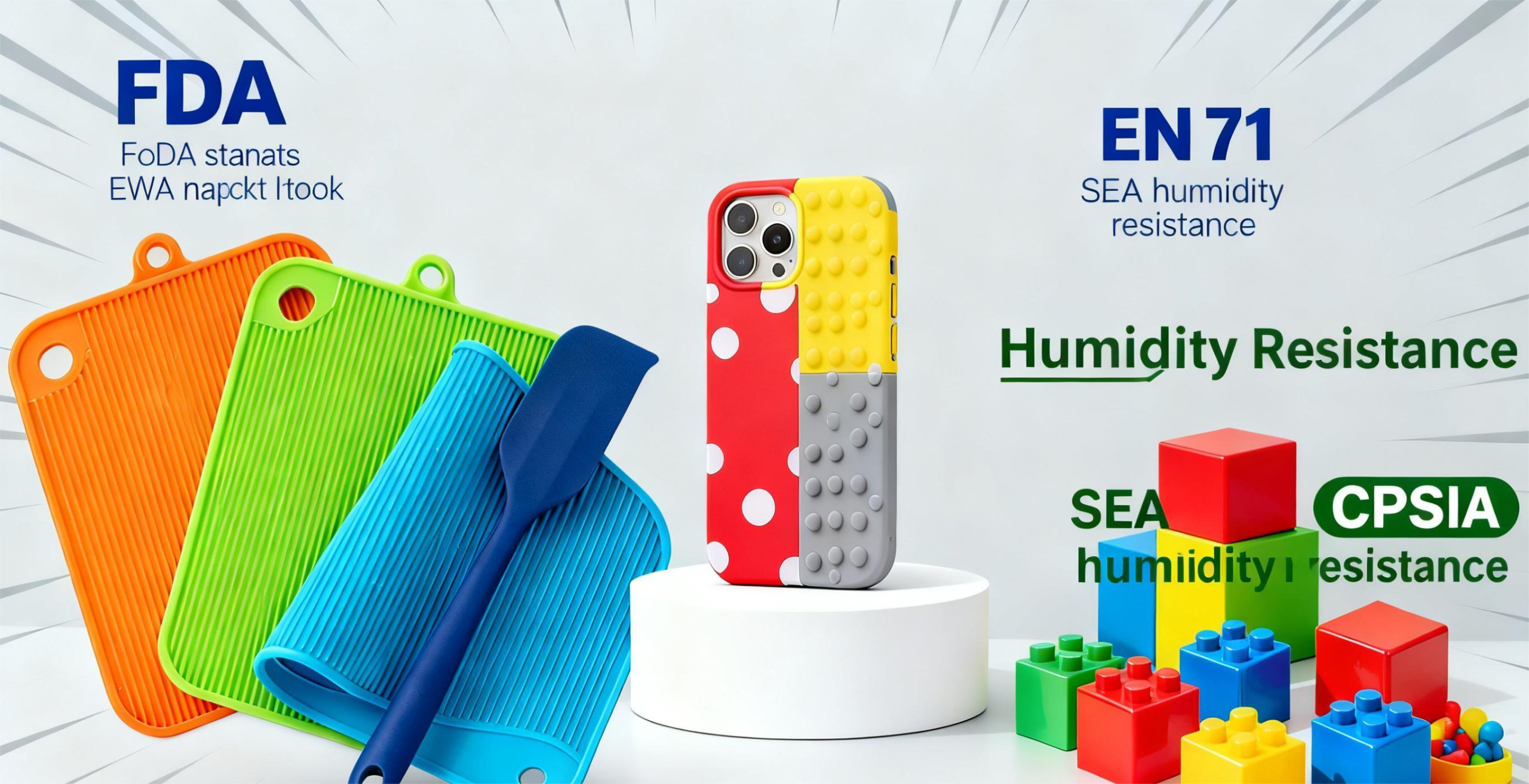
- Daily use (e.g., phone cases, keychains, kitchen tools): Food-grade or medical-grade silicone is recommended for safety. Colors can be bright and trendy (e.g., neon pink, mint green, gradient hues). Forcolorful silicone daily essentials for EU/US markets, comply with FDA and EU 10/2011 standards; for Southeast Asia (SEA) market colorful silicone products, prioritize humidity-resistant materials.
- Industrial use (e.g., seals, gaskets, O-rings): High-temperature resistant or oil-resistant silicone is required. Colors are often functional (e.g., color-coded for size differentiation). For colorful industrial silicone components for Europe & US automotive industry, meet ISO/TS 16949; for Southeast Asian electronics factories, opt for anti-static colorful silicone electronic parts.
- Children’s products (e.g., teething toys, bath toys): 100% non-toxic, BPA-free silicone is mandatory. For EU/US markets, colors must comply with EN 71 and CPSIA; for Southeast Asia, follow ASEAN Cosmetics Directive (ACD) for non-toxic colorful silicone kids' products.
b. Determine Color Specifications
Color accuracy is critical, particularly for applications requiring brand consistency or specific aesthetic standards. The following details should be clearly defined:
Color codes: Provide Pantone, RAL, or CMYK color codes to ensure suppliers achieve precise color matching. For instance, the use of Pantone codes in the production of branded silicone products guarantees color consistency across production batches.
Color effects: Specify requirements for solid colors, gradients, patterns, or glow-in-the-dark effects. Gradient and patterned colorful silicone products typically require more complex molding processes, which should be clarified in advance.
c. Quantity and Size Requirements
Suppliers generally impose minimum order quantities (MOQs), especially for customized colorful silicone products. Determine whether small-batch production (e.g., 50-100 units for personal use or small enterprises) or large-scale production (1000+ units for retail purposes) is required. Additionally, provide detailed dimensional specifications (length, width, thickness) or 3D models to avoid dimensional discrepancies.
2. Explore Diverse Usage Scenarios of Colorful Silicone Products
The versatility of colorful silicone products enables their application across multiple fields. A clear understanding of these application scenarios facilitates the definition of product requirements and the selection of appropriate specifications. Below are the most common application scenarios with detailed recommendations:
a. Daily Life & Home Essentials
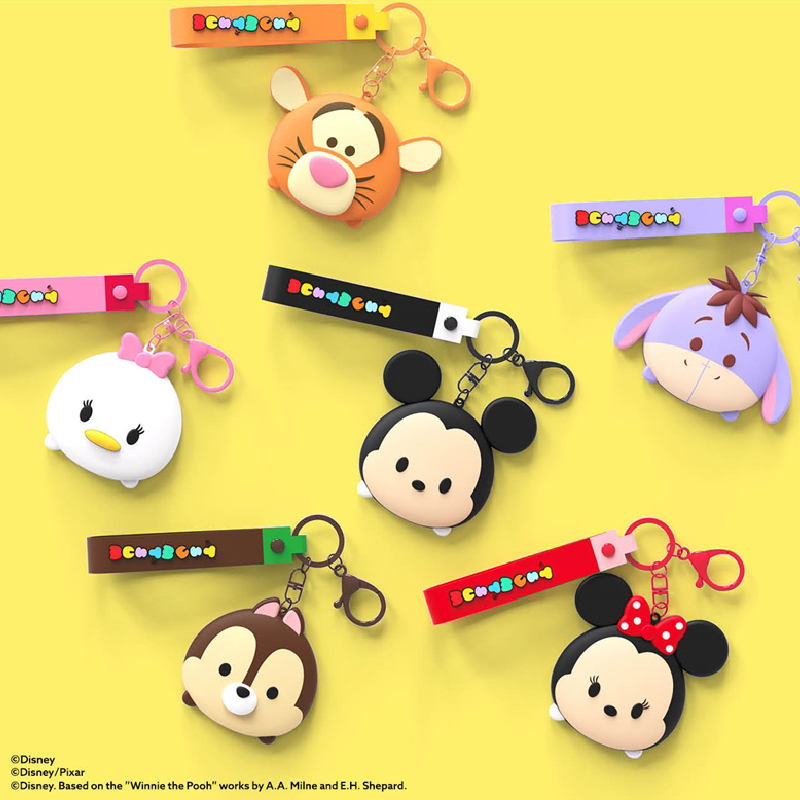
In daily life, colorful silicone products enhance visual appeal while ensuring practicality and safety. Common applications include: Kitchen utensils – For EU/US markets, select food-grade colorful silicone kitchenware compliant with FDA/EU 10/2011; for Southeast Asia, choose moisture-proof colorful silicone food storage containers suitable for tropical climates. Personal accessories – Custom colorful silicone accessories for European fashion brands favor minimalist gradient colors; Southeast Asian markets prefer bright, cultural-element themed colorful silicone keychains for SEA festivals. Home storage – Colorful silicone storage solutions for US households focus on space-saving design; for Southeast Asian small apartments, lightweight and stackable options are ideal.

b. Children’s Products
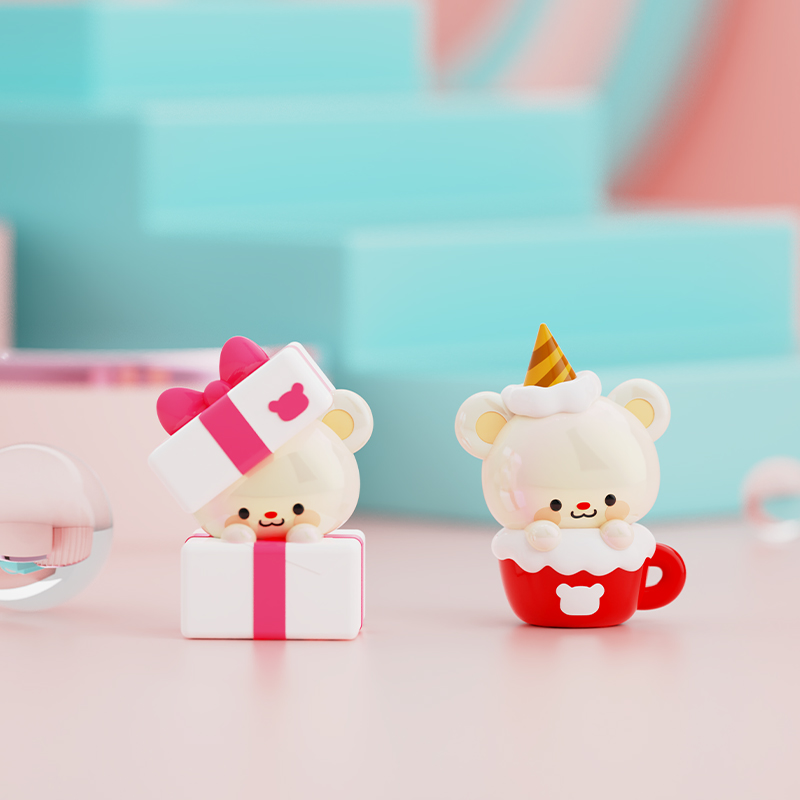
Silicone's non-toxic and soft properties make it ideal for children's products. Baby care – For EU/US exports, colorful silicone baby products meeting CPSIA/EN 71 are mandatory; for Southeast Asia, heat-resistant colorful silicone teething toys suitable for high-temperature sterilization are popular. Kids’ stationery & toys – European markets prefer eco-friendly dyed durable colorful silicone kids' toys; Southeast Asian schools favor affordable colorful silicone pencil grips for SEA students with local cartoon motifs.

c. Industrial & Commercial Applications
In industrial environments, colorful silicone products serve functional purposes: Automotive parts – Colorful silicone automotive seals for European cars require -40℃ to 200℃ temperature resistance; for Southeast Asian automotive markets (e.g., Thailand, Indonesia), high-humidity resistant colorful silicone gaskets are essential. Electronics – Anti-static colorful silicone electronic components for US tech firms comply with ESD standards; Southeast Asian electronics manufacturers (e.g., Vietnam, Malaysia) demand dust-proof colorful silicone device casings. Medical devices – Medical-grade colorful silicone products for EU/US healthcare meet ISO 13485; Southeast Asian medical facilities use disposable colorful silicone medical seals with biocompatibility certification.

d. Promotional & Custom Gifts
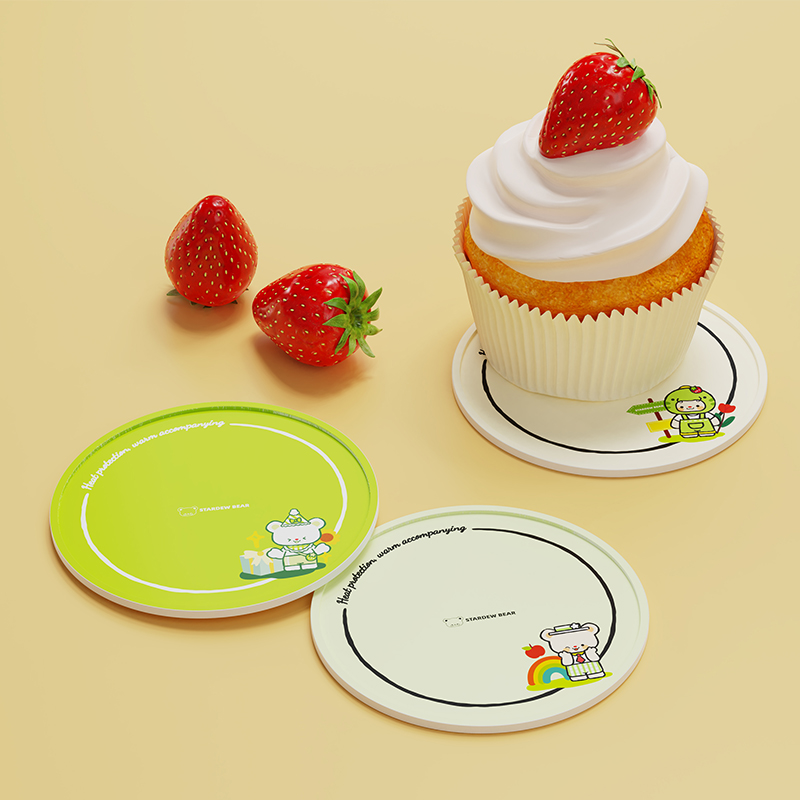
Colorful silicone products are widely used for promotions and gifts: Brand promotions – Custom colorful silicone promotional products for US corporate events (e.g., trade shows) focus on brand logo visibility; European brands prefer eco-friendly recyclable colorful silicone wristbands; Southeast Asian businesses opt for colorful silicone coasters for SEA restaurant promotions. Event souvenirs – Colorful silicone event souvenirs for European festivals (e.g., Oktoberfest) feature cultural elements; Southeast Asian tourist attractions sell custom colorful silicone luggage tags with local scenic motifs. Personalized gifts – Personalized colorful silicone gifts for US weddings are elegant and durable; Southeast Asian weddings favor colorful silicone jewelry with traditional patterns.
3. Choose the Right Channel: Where To Get Colorful Silicone Products
After clarifying requirements, the next step is to identify reliable channels for procuring colorful silicone products. The selection of channels depends on budget constraints, order quantity, and customization needs. The following are the most common procurement channels:
a. Online Retail Platforms (For Small Quantities/Personal Use) For individuals requiring a small quantity of colorful silicone products for personal use (e.g., silicone mobile phone cases, food storage bags), online retail platforms offer convenience. Prominent platforms include:
- Amazon, eBay: Offer a diverse range of off-the-shelf colorful silicone products from global suppliers. Evaluate product reviews and supplier ratings to ensure product quality.
- Alibaba Express: Suitable for cost-effective small-batch orders (e.g., 10-50 units) from Chinese suppliers. Many suppliers provide customization services (e.g., logo printing, color selection).
b. Custom Silicone Product Manufacturers (For Bulk/Custom Orders)
For enterprises or individuals requiring customized colorful silicone products (e.g., branded promotional items, industrial components), direct collaboration with manufacturers is the optimal approach. Manufacturers offer comprehensive customization services (including color, shape, material, and logo customization) and preferential pricing for bulk orders. When selecting custom colorful silicone product manufacturers, prioritize those with rich experience in your target application field.
Guidelines for identifying reliable manufacturers:
- B2B Platforms: For EU/US markets, filter suppliers with "FDA/EN 71 certification" and "EU/US import experience" on Alibaba/Made-in-China; for Southeast Asia, prioritize suppliers offering "SEA market adaptation" (e.g., humidity resistance) and "local logistics support".
- Industry Directories: For US-based suppliers, use Thomasnet with keywords "colorful silicone product manufacturers USA"; for European suppliers, use Kompass with "colorful silicone suppliers EU"; for Southeast Asia, refer to ASEAN Industrial Directory for local or China-based suppliers specializing in colorful silicone products for SEA export.
- Referrals: For EU/US markets, seek recommendations from industry associations (e.g., American Chemistry Council); for Southeast Asia, consult local trade chambers (e.g., Thailand Chamber of Commerce) for trusted colorful silicone suppliers for SEA.
c. Local Silicone Workshops (For Small-Batch Customization)
For individuals preferring face-to-face communication and requiring small-batch customized colorful silicone products (e.g., unique handcrafted silicone jewelry, custom molds), local workshops or small-scale manufacturers may be suitable. Search for “local silicone product customization” or “silicone workshop near me” to identify nearby options.
4. Key Factors To Evaluate When Choosing Suppliers
Whether purchasing off-the-shelf or customized colorful silicone products, evaluating suppliers is crucial to avoid substandard products or fraudulent transactions. The following are the key evaluation criteria:
a. Quality Certifications
Silicone products for different markets must meet regional compliance standards:EU/US Markets: FDA (food/medical), EU 10/2011 (food contact), EN 71 (toys), CPSIA (US children’s products), ISO 9001. Southeast Asia Markets: ASEAN Cosmetics Directive (ACD), ISO 13485 (medical), local standards (e.g., Thailand’s TISI, Malaysia’s SIRIM). Request certification documents tailored to your target market when procuring colorful silicone products for export.
FDA (Food and Drug Administration): Applicable to food-grade and medical-grade silicone in the United States.
EU 10/2011: Applicable to food contact materials within the European Union.
ISO 9001: Indicates that the manufacturer has established a standardized quality management system.
EN 71: Applicable to children’s products in the European Union, ensuring non-toxicity and safety for children.
b. Color Matching Capability
Given the focus on colorful silicone products, the supplier’s color matching capability is a critical factor. Verify whether the supplier can match the provided color codes (Pantone/RAL) and request physical color samples prior to mass production. A reputable supplier will provide physical samples to confirm color accuracy.
c. Production Capacity and Lead Time
Assess whether the supplier can meet the required order quantity and delivery timeline. For bulk orders, inquire about production capacity (e.g., monthly production volume) and lead times (e.g., 15-30 days for sample production, 30-60 days for mass production). Delays in delivery may disrupt business operations, so these details should be clarified upfront.
d. Pricing and Payment Terms
Obtain quotations from multiple suppliers to ensure competitive pricing. It is important to note that lower prices may correlate with inferior quality, so a balance between cost and quality should be maintained. Additionally, clarify payment terms (e.g., 30% deposit, 70% balance prior to delivery) and payment methods (e.g., T/T, PayPal, letter of credit) to avoid payment disputes.
e. Customer Reviews and After-Sales Service
Review customer feedback on B2B/B2C platforms or the supplier’s official website to gain insights into other buyers’ experiences. Suppliers with positive reviews are more likely to provide reliable services. Additionally, inquire about after-sales support (e.g., return policies for defective products, technical assistance) to ensure protection in the event of issues.
5. The Customization Process for Colorful Silicone Products (Step-by-Step)
For customized colorful silicone products, an understanding of the production process facilitates effective communication with suppliers and the establishment of realistic expectations. The following is a standard customization workflow:
Step 1: Submit Requirements and Get a Quote
Provide the supplier with detailed product specifications, including application purpose, dimensions, shape (3D model if available), color codes, order quantity, and any special requirements (e.g., heat resistance, logo printing). The supplier will evaluate the requirements and issue a quotation including pricing, lead time, and MOQ.
Step 2: Confirm the Design and Make a Mold
Upon acceptance of the quotation, the supplier will develop a 2D/3D design draft for approval. After design confirmation, mold fabrication will commence (the most costly phase of custom silicone production, particularly for complex shapes). Mold fabrication typically requires 7-15 days.
Step 3: Sample Production and Approval
The supplier will produce a small batch of samples using the fabricated mold. Inspect the sample for color accuracy (against the provided color code), shape, dimensions, and performance. If adjustments are required (e.g., color correction, shape modification), the supplier will revise the mold or production process until satisfaction is achieved.
Step 4: Mass Production
Following sample approval, mass production will initiate. Color masterbatches (colorful additives mixed with raw silicone) are utilized to achieve the desired color. During production, request progress updates or quality inspections to ensure consistency.
Step 5: Quality Inspection and Delivery
Prior to delivery, the supplier will conduct quality inspections (e.g., checks for color inconsistency, defects, dimensional deviations). Upon passing inspection, the products will be packaged and shipped. Clarify shipping terms (e.g., FOB, CIF) and logistics partners (e.g., DHL, FedEx, sea freight) in advance.
6. Tips for Getting High-Quality Colorful Silicone Products
Avoid low-quality colorants: Inferior colorants may cause color fading, migration (color transfer to other surfaces), or the release of toxic substances. Request suppliers to use food-grade or medical-grade color masterbatches.
Conduct color durability testing: For products exposed to sunlight, heat, or water (e.g., outdoor silicone products, kitchen utensils), request color fastness testing to ensure color stability over time.
Maintain clear communication: Utilize precise terminology and visual aids (3D models, color swatches) when describing requirements. Miscommunication is a primary cause of customization errors.
Negotiate MOQs: For small enterprises or small-batch requirements, negotiate with suppliers to reduce MOQs. Some manufacturers offer flexible MOQ policies for new customers.
7. Common Mistakes To Avoid When Getting Colorful Silicone Products
Selecting inappropriate silicone materials: The use of general-purpose silicone for food or medical applications may pose safety risks. Always verify the material grade with the supplier.
Neglecting color sample verification: Approving mass production without confirming color samples may result in products that fail to meet brand or specification requirements.
Prioritizing low costs over quality: Sacrificing quality for lower prices may lead to defective products, resulting in higher long-term costs (e.g., returns, rework).
Failing to clarify delivery terms: Inadequate agreement on delivery timelines, shipping terms (FOB/CIF), and customs clearance responsibilities may lead to delays or additional costs—especially for cross-border EU/US/SEA orders.
8. Frequently Asked Questions (Q&A) About Getting Colorful Silicone Products
Below are answers to frequently asked questions regarding the procurement and customization of colorful silicone products, with a focus on regional (Southeast Asia, Europe, US) compliance and market adaptation, designed to address common concerns efficiently:
Q1: How to ensure the color of silicone products doesn’t fade over time, especially for EU/US/SEA market conditions?
A1: To prevent color fading, prioritize high-quality food-grade/industrial-grade color masterbatches and request color fastness testing (sunlight, heat, humidity resistance) prior to mass production. For EU/US outdoor applications, select UV-resistant silicone additives to withstand harsh weather; forSoutheast Asian tropical climates, add humidity-resistant modifiers to avoid color migration. Additionally, minimize prolonged exposure to intense sunlight or high humidity during use. When procuring, specify “color fastness testing report” tailored to your target market.
Q2: What’s the minimum order quantity (MOQ) for custom colorful silicone products in EU/US/SEA markets?
A2: MOQs vary by supplier, product complexity, and target market. For small-batch customizations (e.g., personalized keychains, wristbands): EU/US markets typically have MOQs of 100-200 units (due to strict compliance testing costs); Southeast Asia markets offer lower MOQs (50-100 units) for basic designs. For complex mold-based products (e.g., industrial seals, custom toys): EU/US manufacturers require 500-1000+ units; Chinese suppliers specializing in SEA export may offer flexible MOQs (300-500 units) for long-term partnerships. Negotiate MOQ exemptions or phased production for new market entry.
Q3: Can I change the color during the production process, especially for cross-border EU/US/SEA orders?
A3: Modifying colors during mass production is not advisable, as it requires equipment cleaning, color masterbatch replacement, and re-testing—increasing costs and delaying delivery by 7-15 days. For cross-border orders targeting EU/US/SEA markets, this risk is amplified (re-certification may be needed for color-altered products). All color adjustments must be finalized during the sample approval stage; request 2-3 color swatches upfront to avoid mid-production changes. For urgent orders, prepare alternative color options in advance for quick switching if needed.
Q4: Are colorful silicone products safe for food contact in EU/US/SEA markets?
A4: Yes, but only if the product uses food-grade silicone and food-safe colorants, with region-specific certifications: US market – FDA 21 CFR 177.2600 certification; EU market – EU 10/2011 certification; Southeast Asia market – ASEAN Food Safety Authority (AFSA) approval. Avoid products with strong odors, uneven colors, or unlabeled certifications. For SEA’s tropical climate, additional moisture-proof packaging is recommended to prevent mold growth. Clean new products with boiling water (5-10 minutes) before first use to remove residual additives.
Q5: How long does it take to customize colorful silicone products for EU/US/SEA markets?
A5: The customization timeline varies by market due to compliance testing requirements: EU/US markets (3-8 weeks): Mold fabrication (7-15 days) + sample approval (5-10 days) + mass production (15-30 days) + compliance testing (3-7 days). Southeast Asia markets (2-6 weeks): Shorter testing cycles (1-3 days for local certifications) + faster logistics (3-7 days for regional shipping). International shipping adds 3-15 days (DHL/FedEx for EU/US; sea freight for SEA bulk orders). For urgent EU/US orders, choose suppliers with pre-certified silicone materials to skip partial testing.
Q6: What regional compliance certificates are required for exporting colorful silicone products to EU/US/SEA?
A6: EU market: EN 71 (toys), EU 10/2011 (food contact), ISO 9001 (quality management), REACH (chemical safety). US market: CPSIA (children’s products), FDA (food/medical), ASTM D2240 (silicone hardness). Southeast Asia market: Thailand TISI, Malaysia SIRIM, Indonesia SNI, ASEAN Cosmetics Directive (ACD for baby products). Provide these certificates to customs to avoid clearance delays. Choose suppliers with experience in your target market to ensure certificate validity.
Q7: How to choose logistics solutions for colorful silicone products exported to EU/US/SEA?
A7: EU/US markets: For small batches (≤500 units), use DHL/FedEx (3-7 days, door-to-door) with tax-included shipping to avoid customs disputes; for bulk orders, choose sea freight (20-30 days) to reduce costs. Southeast Asia market: Utilize local logistics partners (e.g., Thailand’s Kerry Express, Malaysia’s Pos Laju) for regional shipping (1-3 days); for cross-border bulk orders from China, use sea freight to major ports (e.g., Bangkok, Port Klang) + inland delivery. Clarify logistics responsibilities (seller/buyer) in the contract to avoid additional fees.
to skip partial testing.
9. Final Thoughts
Procuring high-quality colorful silicone products for Southeast Asian, European, or US markets requires aligning requirements with regional compliance standards and market preferences. For EU/US exports, prioritize certification (FDA/EN 71/CPSIA) and material performance (temperature resistance, eco-friendliness); for Southeast Asia, focus on humidity resistance, affordability, and cultural adaptation. “FDA compliant colorful silicone kitchenware US”, “humidity resistant colorful silicone SEA”) to find targeted suppliers. Sample verification is critical, especially for cross-border orders, to ensure compliance and product quality. Additionally, collaborate with suppliers offering local logistics and after-sales support in your target market to reduce operational risks.
Have you engaged in the procurement or customization of colorful silicone products? We welcome you to share your experiences in the comments section below.

 English
  Chinese
  Japanese
  Spanish
  French
  Arabic
  Russian
  Portuguese
  Belarusian