

- Have you ever wondered how a soft silicone cup sleeve or a highly detailed anime figurine goes from a digital design to a tangible product in your hands? In this comprehensive guide, we dive deep into the two most critical elements of silicone manufacturing: molds and molding processes. Whether you’re a product designer, engineer, or curious consumer, this article breaks down how precision molds and advanced techniques bring silicone creations to life.
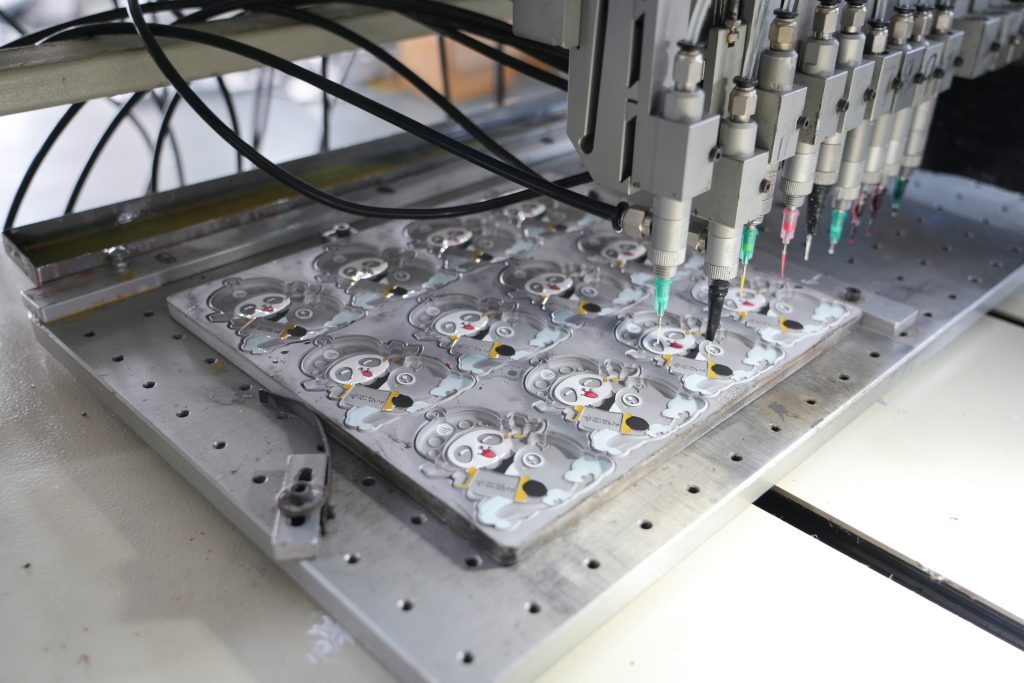
Molds: The Soul of Silicone Manufacturing
Molds are the foundation of any silicone product—defining its accuracy, finish, and tactile feel.
- High-Precision Mold Making
- Today’s molds are crafted using CNC machining and automated engraving systems, allowing for details as fine as 0.1mm. This level of precision ensures that everything from expressive figurine faces to complex industrial parts is reproduced flawlessly.
- Integrated Mold Development
- Leading manufacturers operate in-house mold workshops to streamline production. This integrated approach shortens lead times, enables quick design adjustments, and ensures strict quality control from concept to completion.
- Durable Mold Materials
- Made from high-grade steel, these molds withstand high temperatures and pressure, supporting hundreds of thousands of cycles while maintaining consistency—key for mass production.
Molding Processes: Turning Liquid into Shape
Silicone raw material transforms into finished products through two primary methods:
- Solid Silicone Molding (Compression Molding)
- Ideal for simpler items like kitchenware, grips, and industrial seals, this process places pre-mixed solid silicone into a mold, where heat and pressure cure it into shape. It’s a cost-effective and reliable method for high-volume production.
- Liquid Silicone Injection Molding (LSR)
- For intricate, high-performance products—think flexible joints in action figures, realistic food replicas, or medical devices—LSR molding is the go-to technique. It enables:
- Multi-material and multi-color molding
- Insert molding with metal or plastic components
- Food-grade and medical-grade safety certifications
- LSR offers exceptional detail, soft touch finishes, and consistent quality for complex designs.
Post-Processing: Adding Personality and Polish
Once molded, silicone “blanks” undergo finishing touches to become market-ready products.
- Coloring and Decoration
- Using high-precision screen printing or pad printing, logos, patterns, and gradients are applied with sharp detail and durability.
- Assembly and Packaging
- For multi-part items like silicone-acrylic composites, careful manual assembly ensures perfect fit and function. Each product is then individually cleaned and packaged to preserve quality until it reaches the customer.
- Conclusion
- A high-quality silicone product is the result of precision mold engineering, advanced molding techniques, and rigorous quality control. Understanding these fundamentals not only deepens your appreciation for everyday silicone items but also empowers you to communicate effectively with manufacturers when bringing your own ideas to life.
 English
  Chinese
  Japanese
  Spanish
  French
  Arabic
  Russian
  Portuguese
  Belarusian