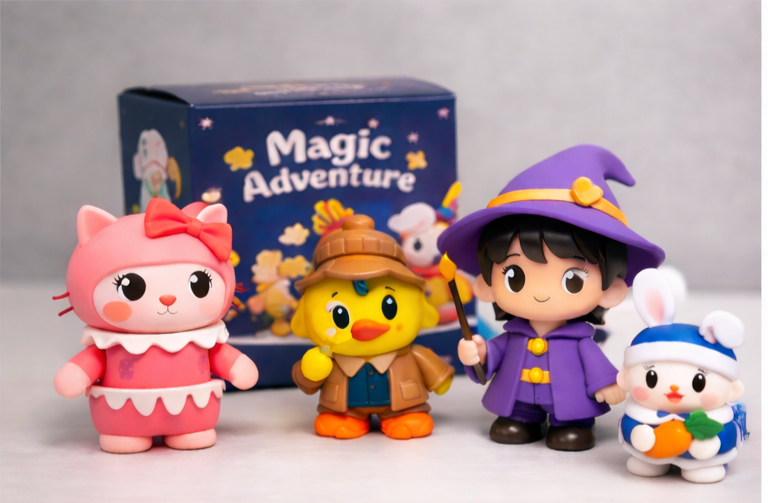
Las licencias de propiedad intelectual se han convertido en una estrategia muy eficaz para las marcas que desean expandirse al sector de los productos de consumo. Desde productos derivados de personajes hasta campañas promocionales, las licencias de propiedad intelectual permiten a las empresas crear productos que conectan emocionalmente con los consumidores.
Sin embargo, convertir una propiedad intelectual en un producto físico de éxito requiere el material y el enfoque de fabricación adecuados. La silicona se ha convertido en la opción preferida debido a su flexibilidad, durabilidad y capacidad para reproducir diseños detallados.
En este artículo, analizamos cómo Las licencias de propiedad intelectual se aplican al desarrollo de productos de silicona, y cómo las marcas pueden llevar sus ideas al mercado de manera eficiente.
¿Qué es la concesión de licencias de propiedad intelectual en el sector de los productos de consumo?
Las licencias de propiedad intelectual (PI) permiten a las marcas utilizar legalmente:
- Personajes
- Logotipos
- Ilustraciones
para desarrollar y comercializar productos.
Estos productos suelen encontrarse en:
- Figuritas y cajas sorpresa
- Llaveros
- Artículos promocionales
- Artículos de colección para el mercado minorista
Por qué la silicona es ideal para productos basados en IP
La silicona ofrece ventajas únicas que la hacen especialmente adecuada para el desarrollo de propiedad intelectual.
1. Gran flexibilidad de diseño
La silicona permite reproducir formas complejas y detalles finos, lo cual es esencial para los diseños basados en personajes.
2. Durabilidad para un uso prolongado
A diferencia de muchos plásticos, la silicona conserva su forma y flexibilidad con el paso del tiempo.
3. Material seguro y fácil de usar
La silicona no es tóxica y es adecuada para productos que se manipulan con frecuencia.
Para conocer estas ventajas con más detalle, consulte Beneficios de la silicona en los productos de uso diario.
El proceso de desarrollo de productos de silicona para IP
Paso 1: Desarrollo del concepto y aprobación de la propiedad intelectual
El proceso comienza con:
- Conceptos de productos
- Bocetos de diseño
- Cumplimiento de las directrices sobre propiedad intelectual
Todos los diseños deben ser revisados y aprobados por el titular de la propiedad intelectual antes de que comience la producción.
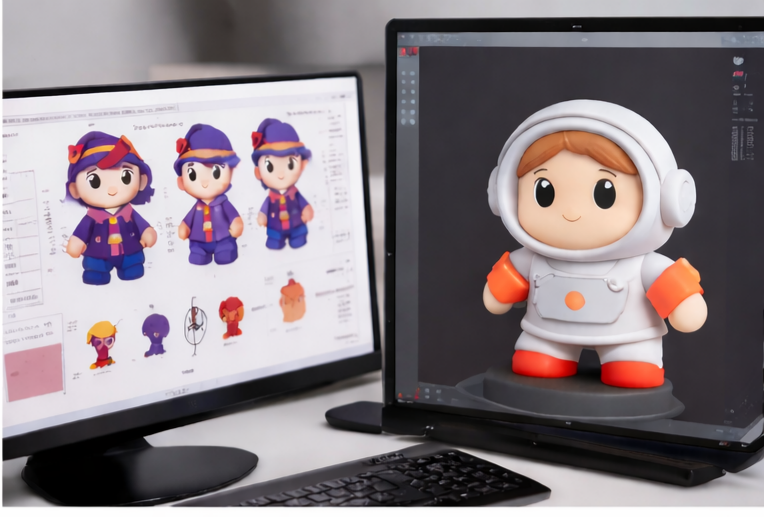
Paso 2: Diseño 3D y creación de prototipos
Los conceptos se transforman en:
- Modelos 3D
- Prototipos físicos
Esta etapa garantiza que el producto refleje fielmente la propiedad intelectual original.
Para obtener información detallada sobre cómo se crean las figuritas, consulte Cómo hacer figuras de silicona personalizadas.
Paso 3: Selección de materiales
Es fundamental elegir la formulación de silicona adecuada.
Entre los factores se incluyen:
- Dureza
- Requisitos de color
- Uso del producto
La estabilidad y el rendimiento de la silicona la hacen ideal para una amplia gama de aplicaciones.
Más información en material de silicona y seguridad térmica.
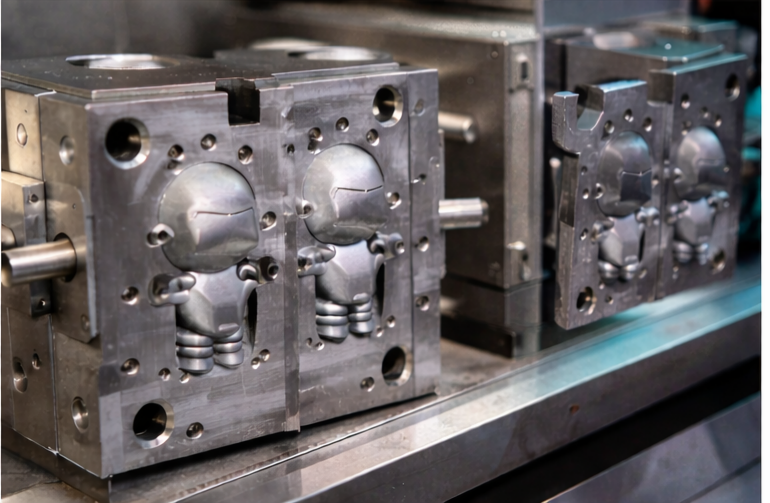
Paso 4: Desarrollo de herramientas y moldes
Los moldes se fabrican a partir de los diseños definitivos.
Este paso garantiza:
- Precisión
- Repetibilidad
- Eficiencia en la producción
Paso 5: Producción en serie
Una vez aprobados los prototipos, comienza la producción.
La silicona permite:
- Calidad constante en todos los lotes
- Fabricación escalable
- Ciclos de producción eficientes
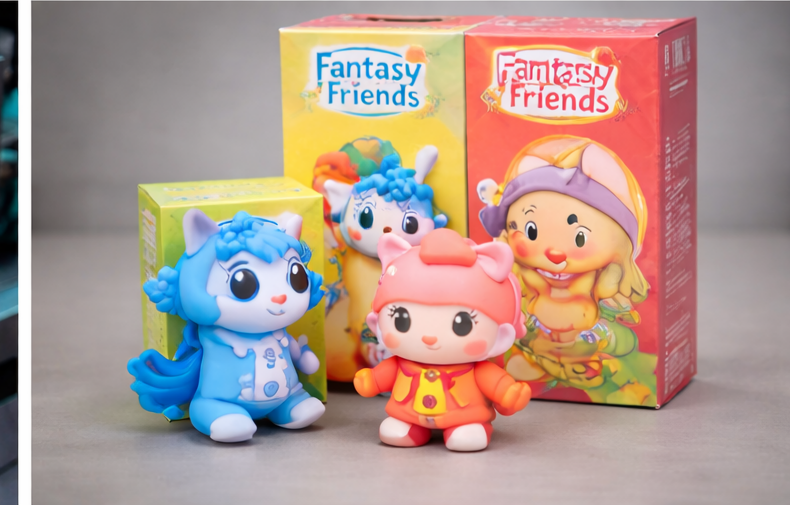
Paso 6: Acabado, montaje y embalaje
Los pasos finales incluyen:
- Pintura y acabado
- Montaje
- Diseño de envases
En el caso de los productos de colección, el empaque desempeña un papel fundamental en la percepción de la marca y la experiencia del cliente.
Si estás desarrollando formatos coleccionables, quizá también te interese Proceso de fabricación de cajas sorpresa de silicona.
Aplicaciones habituales de la silicona en productos de propiedad intelectual
La silicona se utiliza ampliamente en:
- Figuritas y cajas sorpresa
- Llaveros y dijes
- Accesorios electrónicos
- Regalos promocionales
Estos productos se benefician de la durabilidad, la flexibilidad y el tacto de alta calidad de la silicona.
Retos en el desarrollo de productos de propiedad intelectual
Aunque la silicona ofrece muchas ventajas, para que el desarrollo de productos de propiedad intelectual tenga éxito es necesario:
- Reproducción fiel del diseño
- Estrictos controles de calidad
- Plazos de producción eficientes
Trabajar con un fabricante con experiencia ayuda a reducir los riesgos y garantiza resultados consistentes.
Preguntas frecuentes
P1: ¿Por qué se utiliza habitualmente la silicona en los productos IP?
La silicona permite una reproducción muy detallada, ofrece una gran durabilidad y es segura de manipular, lo que la convierte en el material ideal para productos relacionados con personajes.
Más información en Por qué la silicona es ideal para los productos de consumo.
P2: ¿Pueden los productos de silicona cumplir con los estándares de calidad IP?
Sí. Con un diseño adecuado de los moldes y un control de calidad riguroso, los productos de silicona pueden alcanzar una alta uniformidad y cumplir con los estrictos requisitos de protección de la propiedad intelectual.
P3: ¿Son los productos de silicona para IP adecuados para la producción a gran escala?
Por supuesto. La silicona permite una producción escalable con una calidad constante incluso en grandes volúmenes.
Reflexiones finales
Las licencias de propiedad intelectual, combinadas con el desarrollo de productos de silicona, ofrecen a las marcas una forma eficaz de plasmar conceptos creativos en el mundo real.
Gracias a su flexibilidad, durabilidad y posibilidades de personalización, la silicona permite crear productos de propiedad intelectual de alta calidad que satisfacen tanto las expectativas de diseño como las exigencias del mercado.
Para las marcas que planean desarrollar productos personalizados con propiedad intelectual, elegir al socio de fabricación adecuado es tan importante como seleccionar el material adecuado.
 English
  Chinese
  Japanese
  Spanish
  French
  Arabic
  Russian
  Portuguese
  Belarusian
[…] Si está desarrollando productos basados en propiedad intelectual, quizá le interese informarse sobre las licencias de propiedad intelectual y el desarrollo de productos de silicio. […]
[…] Si tu proyecto incluye personajes de propiedad intelectual o de marca, quizá te interese explorar:👉 Licencias de propiedad intelectual y desarrollo de productos de silicona […]
[…] From Concept to Mass Production: IP Silicone Products […]