
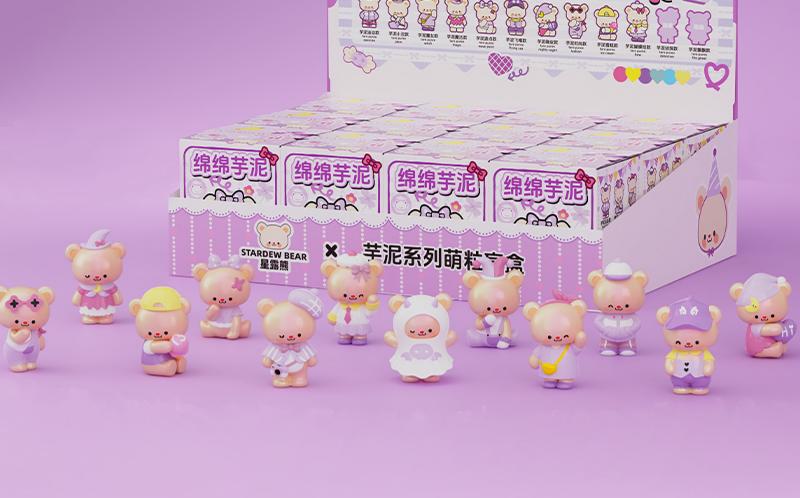
Las cajas sorpresa se han convertido en uno de los formatos más populares para los productos coleccionables, especialmente en el ámbito del merchandising de propiedades intelectuales. La silicona se utiliza cada vez más en los artículos de cajas sorpresa debido a su durabilidad, seguridad y flexibilidad de diseño.
En esta guía, explicamos el Proceso de fabricación de cajas sorpresa de silicona, desde la planificación del concepto hasta el empaque final.
¿Qué son las cajas sorpresa de silicona?
Las cajas sorpresa son paquetes sellados cuyo contenido exacto no se conoce hasta que se abren.
Se utilizan habitualmente para:
- Figuras coleccionables
- Campañas promocionales
- Productos de propiedad intelectual de edición limitada
La silicona mejora estos productos al aportarles un tacto suave, durabilidad y una larga vida útil.
Paso 1: Planificación de productos y series
Antes de comenzar la producción, las marcas definen:
- Número de personajes de la serie
- Variaciones de diseño
- Niveles de rareza (común, raro, ediciones ocultas)
Esta etapa de planificación es fundamental para garantizar la comerciabilidad y el atractivo comercial del producto.
Paso 2: Diseño y creación de prototipos
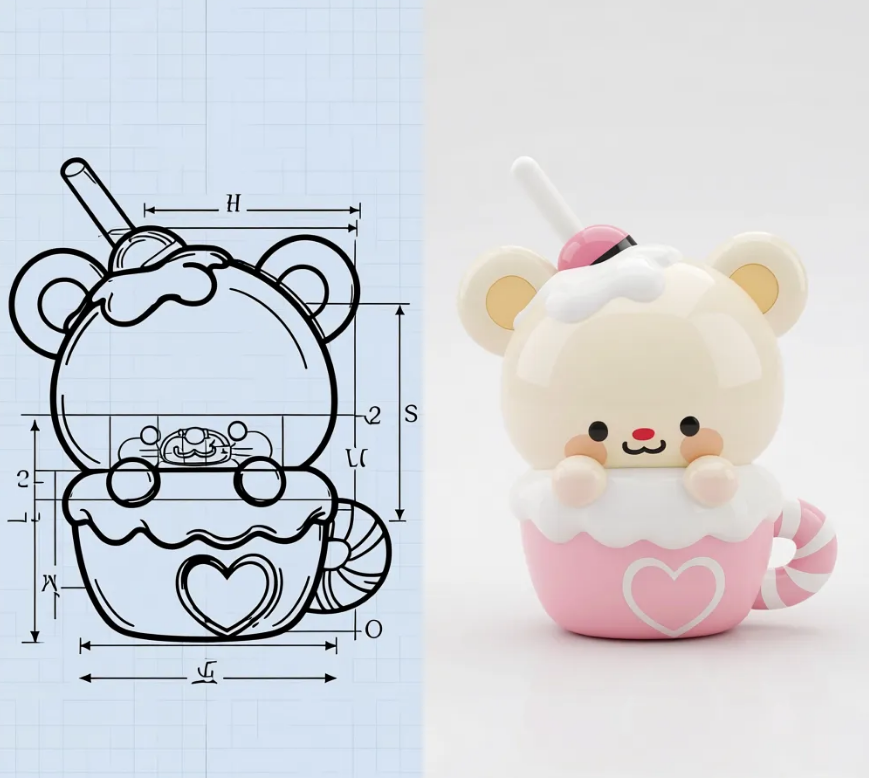
Cada personaje se diseña y se convierte en un prototipo.
Esto incluye:
- Modelado 3D
- Producción de muestras
- Perfeccionamiento del diseño
Si quieres saber cómo la silicona permite crear diseños detallados, consulta Por qué la silicona es ideal para los productos de consumo.
Paso 3: Creación del molde
Cada diseño requiere su propio molde para garantizar la uniformidad en la producción en serie.
El desarrollo del moho incluye:
- Herramientas de precisión
- Acabado de superficies
- Estructuras de moldes de varias piezas
Los moldes de alta calidad son fundamentales para mantener la precisión del producto en la producción de grandes volúmenes.
Paso 4: Producción de silicona
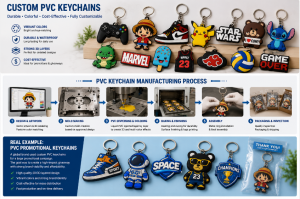
La silicona se moldea para darle las formas deseadas mediante:
- Moldeo por compresión
- Inyección de caucho de silicona líquida (LSR)
- Moldeo multicolor
La silicona se mantiene estable durante la producción y no se derrite como los plásticos tradicionales en condiciones normales de procesamiento.
Para comprender mejor el comportamiento de los materiales, consulte ¿Se derrite la silicona?.
Paso 5: Pintura y acabado
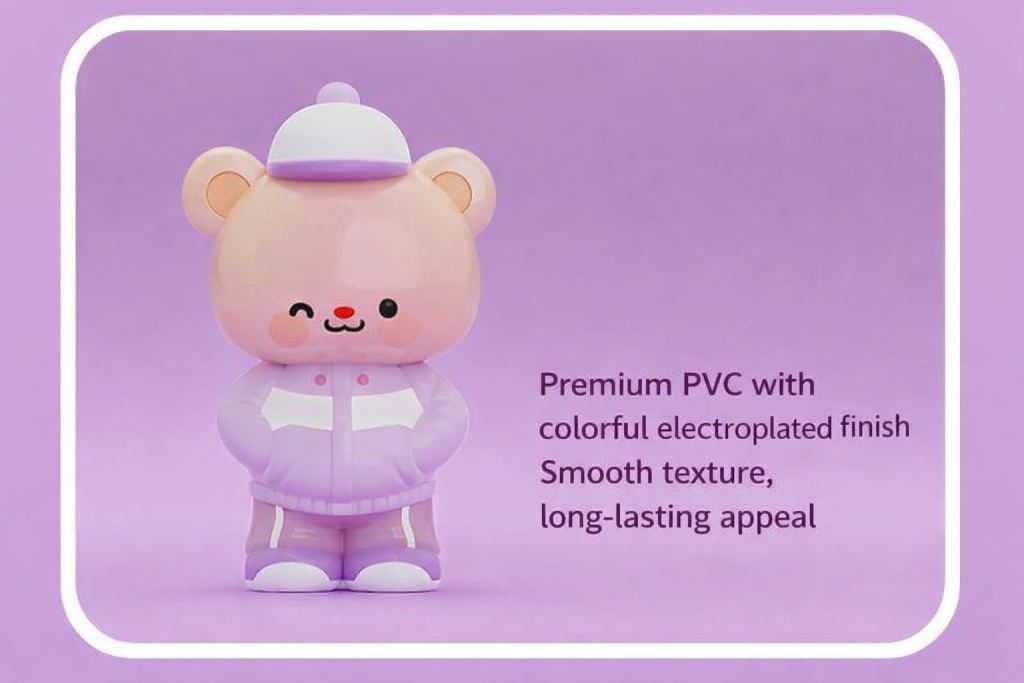
Tras el moldeo, los productos pasan por procesos de acabado tales como:
- Pintura a mano
- Recubrimiento por pulverización
- Tampografía
Este paso garantiza que cada personaje se ajuste al diseño original y a los requisitos de propiedad intelectual.
Paso 6: Montaje y empaquetado en caja sorpresa
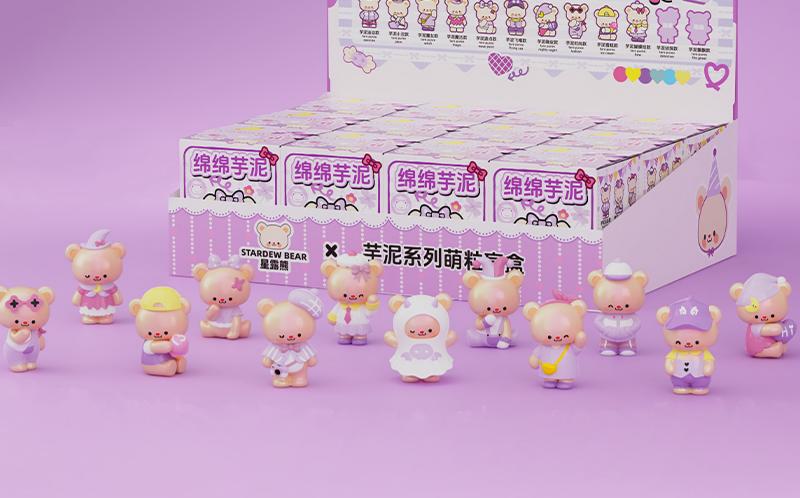
Los productos terminados se ensamblan y se empaquetan en cajas sorpresa.
El paquete incluye:
- Distribución aleatoria de productos
- Diseño de caja de marca
- Presentación lista para la venta al por menor
Para las marcas, el empaque es tan importante como el producto en sí, ya que mejora la experiencia de desembalaje y el valor percibido.
¿Por qué usar silicona para las cajas sorpresa?
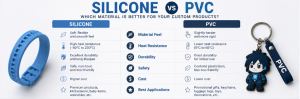
La silicona ofrece varias ventajas con respecto al plástico:
- Mayor durabilidad y flexibilidad
- Material más seguro para su manipulación
- Tacto de primera calidad
Para ver una comparación completa, consulte Silicona frente a plástico en productos de consumo.
Preguntas frecuentes
P1: ¿Por qué se utiliza silicona en lugar de plástico para los juguetes de caja sorpresa?
La silicona ofrece mayor durabilidad, flexibilidad y un tacto de mayor calidad en comparación con el plástico.
Más información en Silicona frente a plástico en productos de consumo.
P2: ¿Son seguros los productos de silicona de las cajas sorpresa para su uso diario?
Sí. La silicona de alta calidad no es tóxica y es segura para el contacto frecuente.
Para obtener más información, consulte ¿Es seguro el uso diario de la silicona?.
P3: ¿Se pueden personalizar los productos de cajas sorpresa de silicona?
Por supuesto. La silicona permite una personalización detallada en cuanto a forma, color y acabado, lo que la convierte en el material ideal para artículos de colección basados en personajes de ficción y productos de marca.
Reflexiones finales
Las cajas sorpresa de silicona combinan un diseño coleccionable con las prestaciones fiables de este material. Desde la planificación del concepto hasta el empaque final, cada paso del proceso de fabricación desempeña un papel fundamental en la calidad del producto y el éxito en el mercado.
Para las marcas que desarrollan productos basados en propiedad intelectual o artículos promocionales, la silicona ofrece una solución duradera, flexible y visualmente atractiva.

 English
  Chinese
  Japanese
  Spanish
  French
  Arabic
  Russian
  Portuguese
  Belarusian
[…] En el caso de productos como los artículos de colección y las cajas sorpresa, la consistencia es especialmente importante. Puedes ver cómo se aplica esto en el proceso de fabricación de cajas sorpresa de silicona. […]