
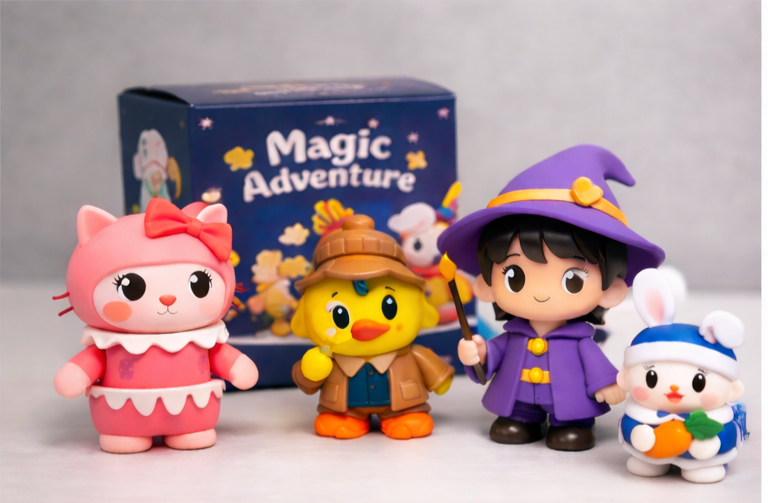
IP licensing has become a powerful strategy for brands looking to expand into consumer products. From character merchandise to promotional campaigns, licensed IP allows businesses to create products that connect emotionally with consumers.
But turning an IP into a successful physical product requires the right material and manufacturing approach. Silicone has become a preferred choice due to its flexibility, durability, and ability to reproduce detailed designs.
In this article, we explore how IP licensing works with silicone product development, and how brands can bring ideas to market efficiently.
What Is IP Licensing in Consumer Products?
IP (Intellectual Property) licensing allows brands to legally use:
- Characters
- Logos
- Artwork
to develop and sell commercial products.
These products are commonly seen in:
- Figurines and blind boxes
- Porta-chaves com pingentes
- Promotional merchandise
- Retail collectibles
Why Silicone Is Ideal for IP-Based Products
Silicone offers unique advantages that make it especially suitable for IP development.
1. High Design Flexibility
Silicone can replicate complex shapes and fine details, which is essential for character-based designs.
2. Durability for Long-Term Use
Unlike many plastics, silicone maintains its form and flexibility over time.
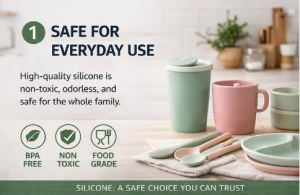
3. Safe and User-Friendly Material
Silicone is non-toxic and suitable for products that are frequently handled.
To understand these advantages in more detail, see benefícios do silicone nos produtos do dia a dia.
The Silicone IP Product Development Process
Step 1: Concept Development and IP Approval
The process starts with:
- Product concepts
- Design sketches
- Alignment with IP guidelines
All designs must be reviewed and approved by the IP owner before production begins.
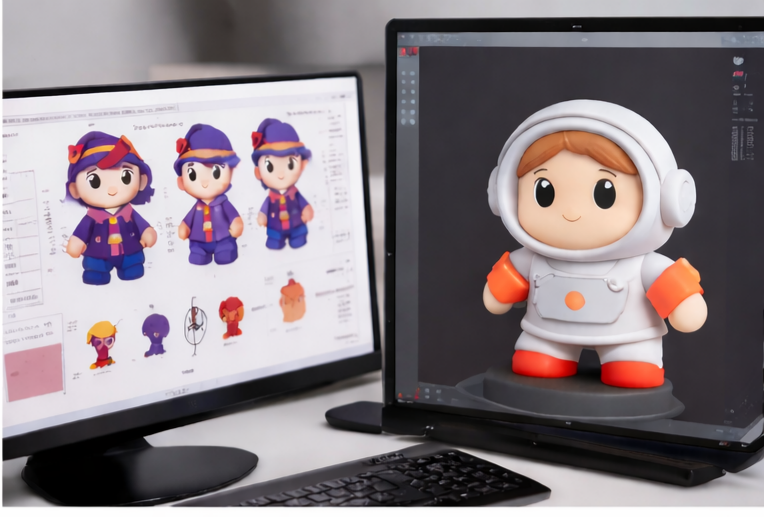
Step 2: 3D Design and Prototyping
Concepts are transformed into:
- Modelos 3D
- Physical prototypes
This stage ensures that the product accurately reflects the original IP.
For a detailed look at how figurines are created, see como fazer figuras de silicone personalizadas.
Step 3: Material Selection
Choosing the right silicone formulation is critical.
Os factores incluem:
- Dureza
- Requisitos de cor
- Product usage
Silicone’s stability and performance make it suitable for a wide range of applications.
Saiba mais em material de silicone e segurança térmica.
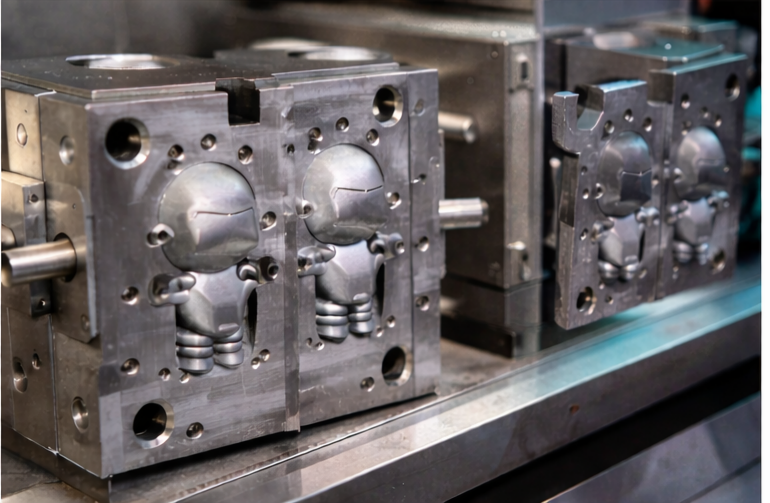
Step 4: Tooling and Mold Development
Os moldes são desenvolvidos com base nos desenhos finalizados.
This step ensures:
- Accuracy
- Repeatability
- Eficiência da produção
Step 5: Mass Production
Once prototypes are approved, production begins.
Silicone allows:
- Consistent quality across batches
- Scalable manufacturing
- Efficient production cycles
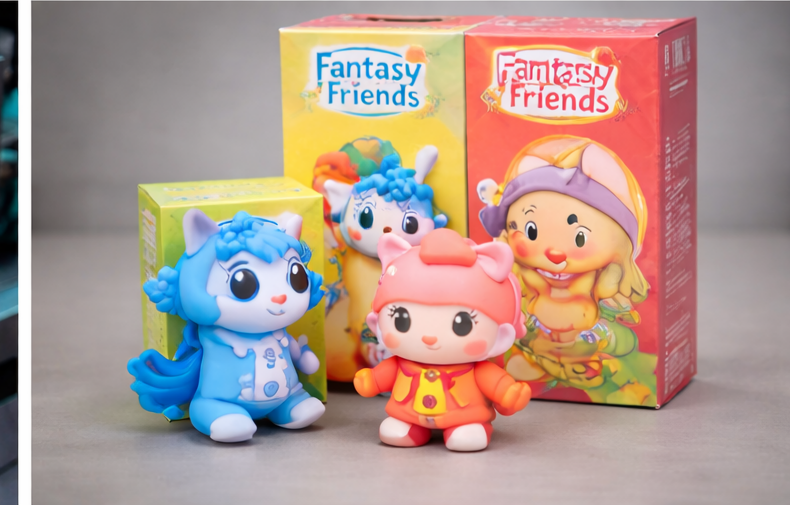
Step 6: Finishing, Assembly, and Packaging
Final steps include:
- Painting and detailing
- Montagem
- Conceção de embalagens
For collectible products, packaging plays a key role in brand perception and customer experience.
If you’re developing collectible formats, you may also be interested in processo de fabrico de caixas cegas de silicone.
Common Applications of Silicone in IP Products
Silicone is widely used in:
- Figurines and blind boxes
- Keychains and charms
- Electronic accessories
- Promotional gifts
These products benefit from silicone’s durability, flexibility, and premium feel.
Challenges in IP Product Development
While silicone offers many advantages, successful IP product development requires:
- Accurate design reproduction
- Strict quality control
- Efficient production timelines
Working with an experienced manufacturer helps reduce risks and ensures consistent results.
Perguntas frequentes
Q1: Why is silicone commonly used in IP products?
Silicone allows high detail reproduction, durability, and safe handling, making it ideal for character-based products.
Saiba mais em porque é que o silicone é ideal para produtos de consumo.
Q2: Can silicone products meet IP quality standards?
Yes. With proper mold development and quality control, silicone products can achieve high consistency and meet strict IP requirements.
Q3: Are silicone IP products suitable for large-scale production?
Absolutely. Silicone supports scalable production with consistent quality across large volumes.
Considerações finais
IP licensing combined with silicone product development offers brands a powerful way to bring creative concepts into the physical world.
With its flexibility, durability, and customization capabilities, silicone enables high-quality IP products that meet both design expectations and market demands.
For brands planning to develop custom IP merchandise, choosing the right manufacturing partner is just as important as selecting the right material.
 English
  Chinese
  Japanese
  Spanish
  French
  Arabic
  Russian
  Portuguese
  Belarusian
[…] If you’re developing IP-based products, you may also want to explore IP licensing & silicone product development. […]
[…] If your project involves IP or branded characters, you may also want to explore:👉 IP licensing & silicone product development […]