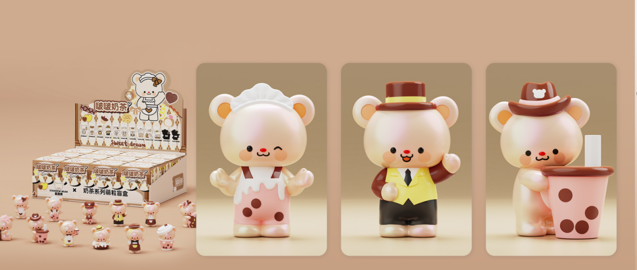
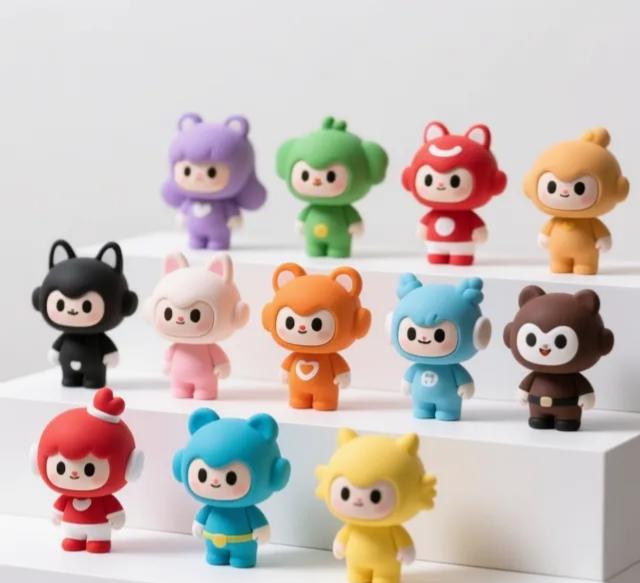
Custom silicone figurines are widely used in IP derivatives, branded merchandise, and collectible products. Their flexibility, durability, and ability to capture fine details make silicone an ideal material for character-based designs.
In this guide, we’ll walk through how custom silicone figurines are made—from concept to finished product.
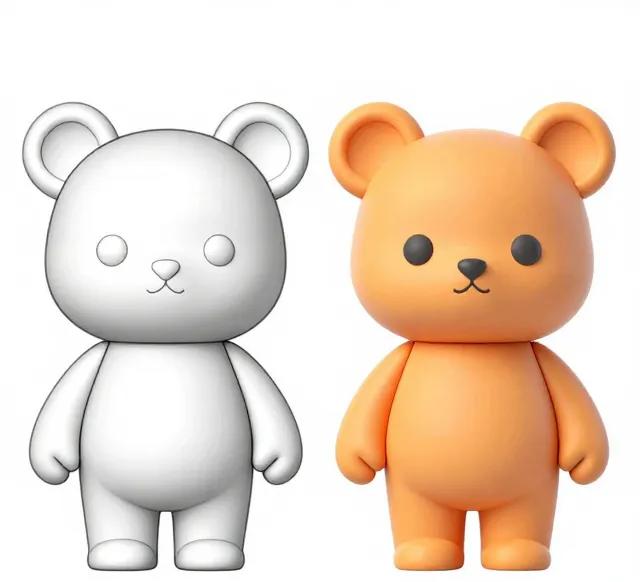
Step 1: Concept Design and 3D Modeling

The process begins with a concept. This can be:
- 2D artwork
- Character sketches
- Existing IP references
Designers then create a 3D model, which defines:
- Shape and proportions
- Surface details
- Structural stability
For brands working on character-based products, this step is critical to ensure accuracy and appeal.
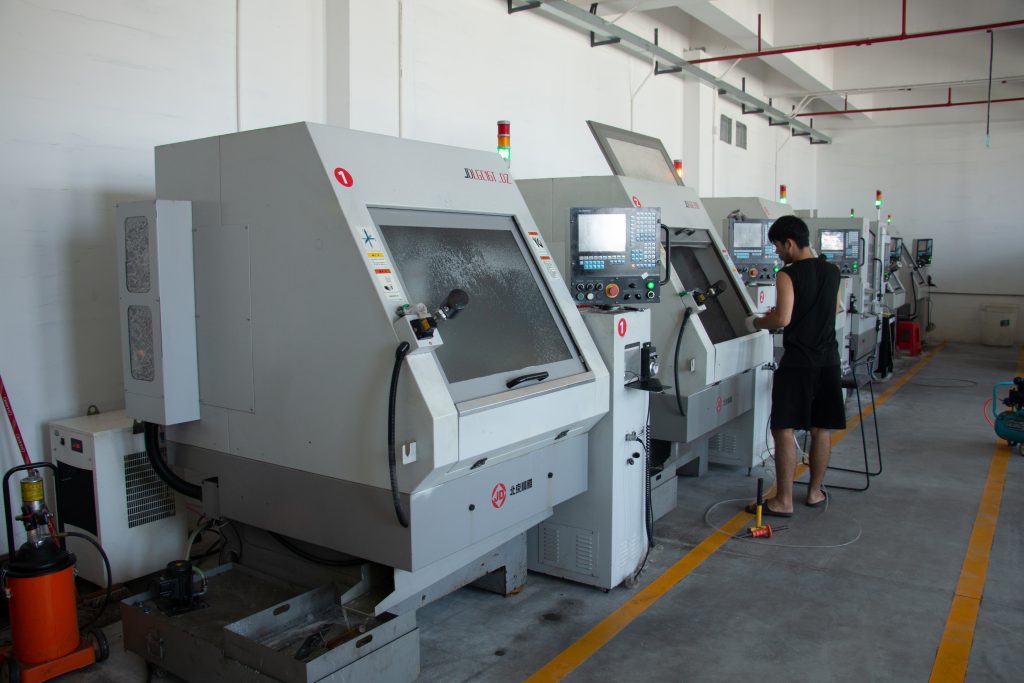
Step 2: Mold Development

Once the 3D design is finalized, a mold is created.
This involves:
- CNC machining or 3D printing
- Mold structure planning (single-part or multi-part)
- Surface finishing for texture control
High-quality molds are essential for achieving consistent production results.
Step 3: Silicone Material Preparation
Different silicone formulations are selected depending on:
- Hardness (soft vs firm)
- Transparency or color
- Product usage requirements
Silicone’s flexibility and durability make it ideal for figurines that require both structure and detail.
To understand how silicone performs under different conditions, see our guide on 矽膠材質與耐熱安全性.
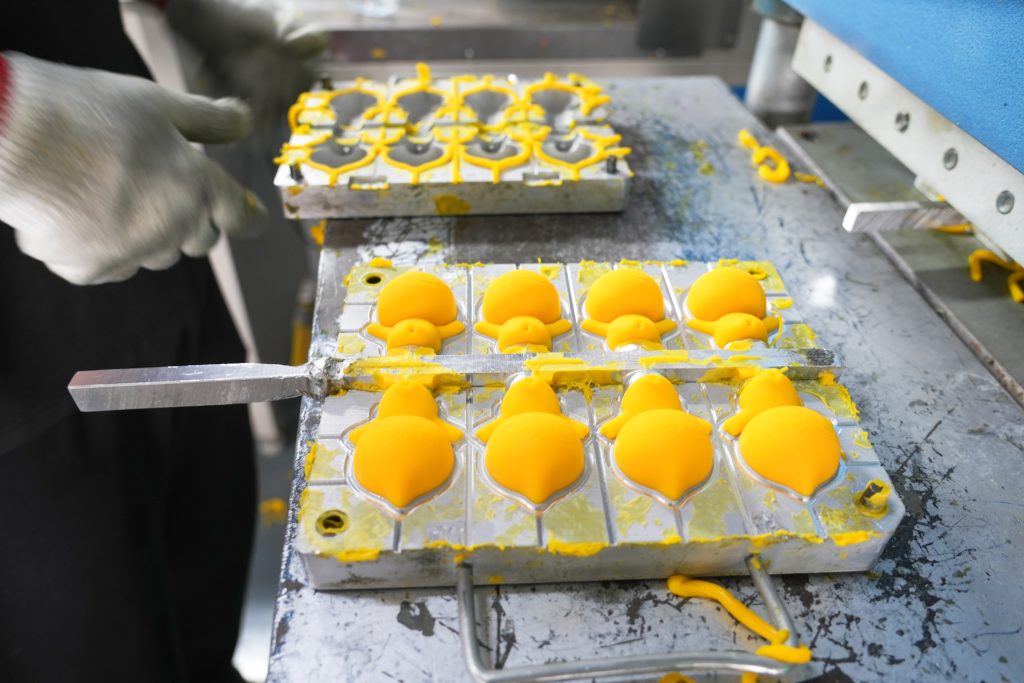
Step 4: Molding and Shaping

The prepared silicone is injected or poured into molds.
Key techniques include:
- 壓縮成型
- Liquid silicone molding (LSR)
- 多色成型
If you’re exploring how silicone behaves during production and heat exposure, you may also want to read 矽膠會融化嗎?.
Step 5: Coloring and Detailing

Color can be added:
- During molding (integrated color)
- After molding (painting and finishing)
For IP figurines, detailed painting and finishing are crucial for character accuracy.
Step 6: Quality Control and Packaging
Final products go through:
- Surface inspection
- Color consistency checks
- 結構測試
After quality control, products are packaged based on branding requirements.
Why Silicone Is Ideal for Figurines
Silicone offers:
- Flexibility without breaking
- 長期耐用性
- Safe, non-toxic material
This is why silicone is widely used not only for figurines but also for a wide range of everyday consumer products. Learn more in 為何矽膠是消費性產品的理想選擇.
常見問題
Q1: Why choose silicone for custom figurines instead of plastic?
Silicone offers better flexibility, durability, and a premium feel compared to plastic, making it ideal for collectible and character-based products.
如需完整比較,請參閱 消費品中矽膠與塑膠的比較.
Q2: Can silicone figurines be customized in color and design?
Yes. Silicone allows a high level of customization in shape, color, and surface detailing, making it perfect for IP-based products and branded merchandise.
Q3: Are silicone figurines safe for handling?
High-quality silicone is non-toxic and safe for daily contact, which makes it suitable for products that are frequently handled.
如需詳細資訊,請參閱 日常使用矽膠是否安全.

最終想法
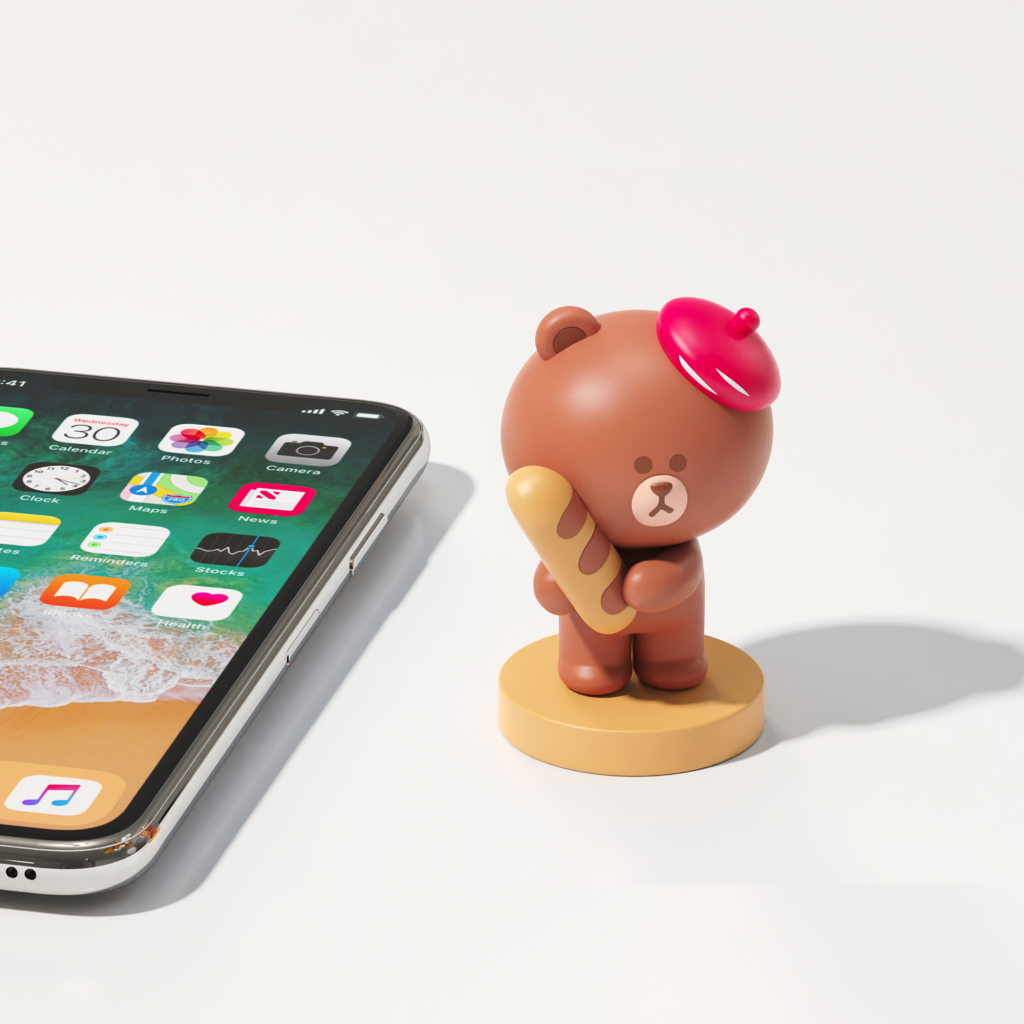
Custom silicone figurines combine creative design with advanced manufacturing processes. With the right materials and production techniques, brands can create high-quality, durable, and visually appealing character products.
For businesses looking to develop branded merchandise or IP derivatives, silicone provides a reliable and flexible manufacturing solution.

[…] For a detailed look at how figurines are created, see how to make custom silicone figurines. […]
[…] 👉 How to make custom silicone figurines👉 From concept to mass production: silicone products […]
[…] For a deeper look into figurine production, check:👉 How to make custom silicone figurines […]