我們可以免費寄送樣品,但您需要支付運費。
客製化矽膠 IP 塑像,用於授權商品

IP 授權與矽膠產品開發

IP licensing has become a powerful strategy for brands looking to expand into consumer products. From character merchandise to promotional campaigns, licensed IP allows businesses to create products that connect emotionally with consumers.

But turning an IP into a successful physical product requires the right material and manufacturing approach. Silicone has become a preferred choice due to its flexibility, durability, and ability to reproduce detailed designs.

In this article, we explore how IP licensing works with silicone product development, and how brands can bring ideas to market efficiently.


What Is IP Licensing in Consumer Products?

IP (Intellectual Property) licensing allows brands to legally use:

  • Characters
  • Logos
  • Artwork

to develop and sell commercial products.

These products are commonly seen in:

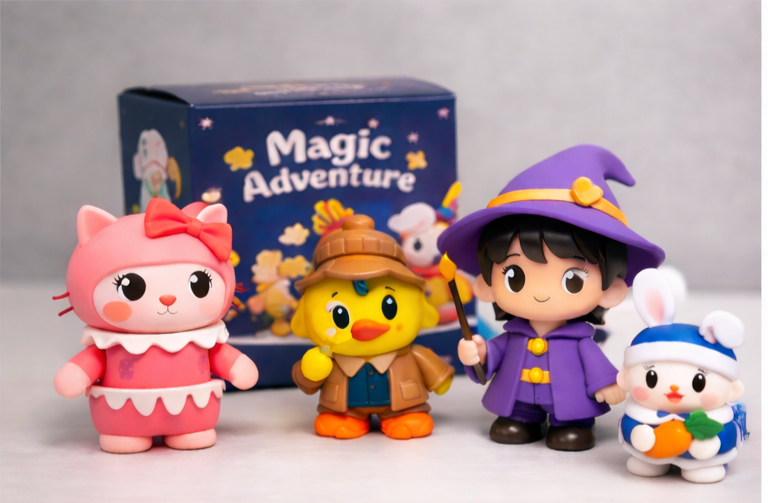
  • Figurines and blind boxes
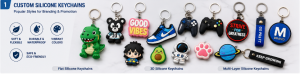
  • 鑰匙圈吊飾
  • Promotional merchandise
  • Retail collectibles

Why Silicone Is Ideal for IP-Based Products

Silicone offers unique advantages that make it especially suitable for IP development.

1. High Design Flexibility

Silicone can replicate complex shapes and fine details, which is essential for character-based designs.

2. Durability for Long-Term Use

Unlike many plastics, silicone maintains its form and flexibility over time.

3. Safe and User-Friendly Material

Silicone is non-toxic and suitable for products that are frequently handled.

To understand these advantages in more detail, see 矽膠在日常用品中的好處.


The Silicone IP Product Development Process


Step 1: Concept Development and IP Approval

The process starts with:

  • Product concepts
  • Design sketches
  • Alignment with IP guidelines

All designs must be reviewed and approved by the IP owner before production begins.


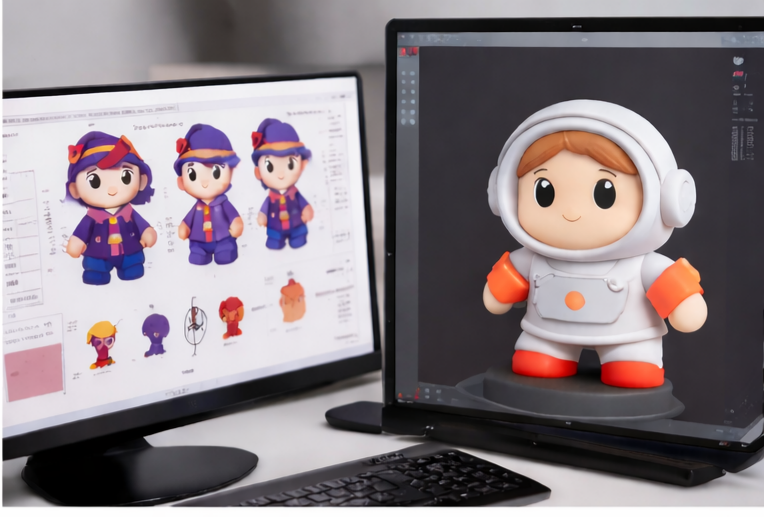
IP character design to silicone product development process

Step 2: 3D Design and Prototyping

Concepts are transformed into:

  • 3D models
  • Physical prototypes

This stage ensures that the product accurately reflects the original IP.

For a detailed look at how figurines are created, see how to make custom silicone figurines.


Step 3: Material Selection

Choosing the right silicone formulation is critical.

Factors include:

  • Hardness
  • Color requirements
  • Product usage

Silicone’s stability and performance make it suitable for a wide range of applications.
進一步了解 矽膠材質與耐熱安全性.


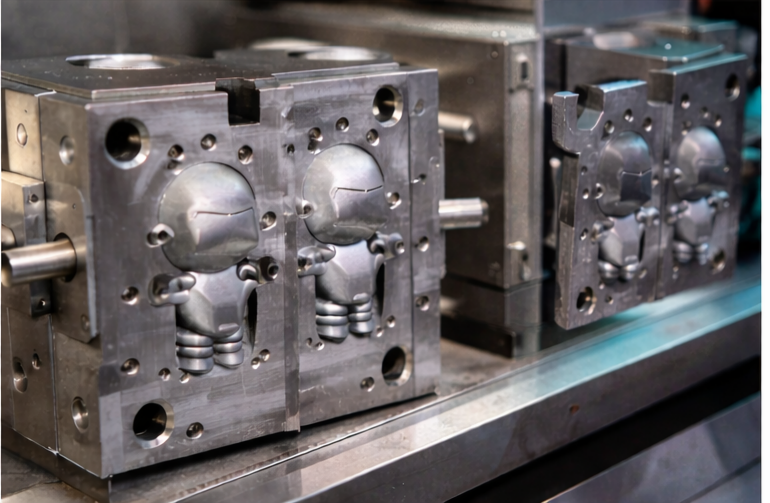
silicone mold development for IP products

Step 4: Tooling and Mold Development

Molds are developed based on finalized designs.

This step ensures:

  • Accuracy
  • Repeatability
  • 生產效率

Step 5: Mass Production

Once prototypes are approved, production begins.

Silicone allows:

  • Consistent quality across batches
  • Scalable manufacturing
  • Efficient production cycles

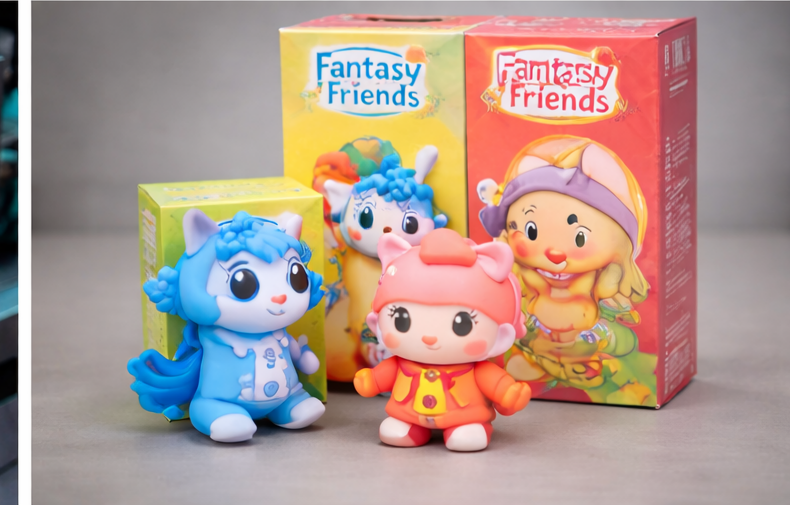
custom silicone IP products with branded packaging

Step 6: Finishing, Assembly, and Packaging

Final steps include:

  • Painting and detailing
  • Assembly
  • Packaging design

For collectible products, packaging plays a key role in brand perception and customer experience.

If you’re developing collectible formats, you may also be interested in 矽膠盲盒製造流程.


Common Applications of Silicone in IP Products

Silicone is widely used in:

  • Figurines and blind boxes
  • Keychains and charms
  • Electronic accessories
  • Promotional gifts

These products benefit from silicone’s durability, flexibility, and premium feel.


Challenges in IP Product Development

While silicone offers many advantages, successful IP product development requires:

  • Accurate design reproduction
  • Strict quality control
  • Efficient production timelines

Working with an experienced manufacturer helps reduce risks and ensures consistent results.


常見問題

Q1: Why is silicone commonly used in IP products?

Silicone allows high detail reproduction, durability, and safe handling, making it ideal for character-based products.
進一步了解 為何矽膠是消費性產品的理想選擇.


Q2: Can silicone products meet IP quality standards?

Yes. With proper mold development and quality control, silicone products can achieve high consistency and meet strict IP requirements.


Q3: Are silicone IP products suitable for large-scale production?

Absolutely. Silicone supports scalable production with consistent quality across large volumes.


最終想法

IP licensing combined with silicone product development offers brands a powerful way to bring creative concepts into the physical world.

With its flexibility, durability, and customization capabilities, silicone enables high-quality IP products that meet both design expectations and market demands.

For brands planning to develop custom IP merchandise, choosing the right manufacturing partner is just as important as selecting the right material.

2 評論

    […] If you’re developing IP-based products, you may also want to explore IP licensing & silicone product development. […]

    […] If your project involves IP or branded characters, you may also want to explore:👉 IP licensing & silicone product development […]

發佈留言

購物車

0
image/svg+xml

購物車中沒有商品。.

繼續購物