
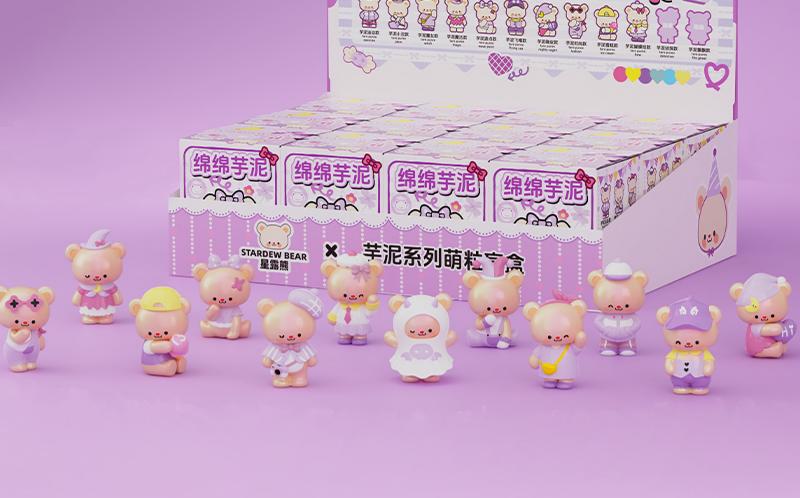
Бліндабоксы сталі адным з самых папулярных фарматаў калекцыйных тавараў, асабліва ў інтэллектуальнай уласнасці. Для іх вырабу ўсё часцей выкарыстоўваецца сілікон дзякуючы яго трываласці, бяспецы і дызайнерскай гібкасці.
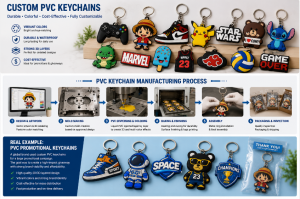
У гэтым кіраўніцтве мы тлумачым Працэс вытворчасці сіліконавых слепакоў, ад планавання канцэпцыі да канчатковай упакоўкі.
Што такое сіліконавыя блайнд-боксы?
Блайнд-боксы — гэта запячатаныя ўпакоўкі, у якіх дакладна невядома, што ўнутры, пакуль іх не адкрыюць.
Яны звычайна выкарыстоўваюцца для:
- Калекцыйныя прадметы з персанажамі
- Рэкламныя кампаніі
- Прадукцыя IP у абмежаванай серыі
Кіслародпранікальная плёнка забяспечвае прадуктам мяккі навобмацак, трываласць і даўгавечнасць.
Крок 1: Планаванне прадукту і серыі
Перад пачаткам вытворчасці брэнды вызначаюць:
- Колькасць персанажаў у серыяле
- Варыянты дызайну
- Узроўні рэдкасці (звычайныя, рэдкія, схаваныя выданні)
Гэты этап планавання мае важнае значэнне для стварэння калекцыяніруемага попыту і прывабнасці на рынку.
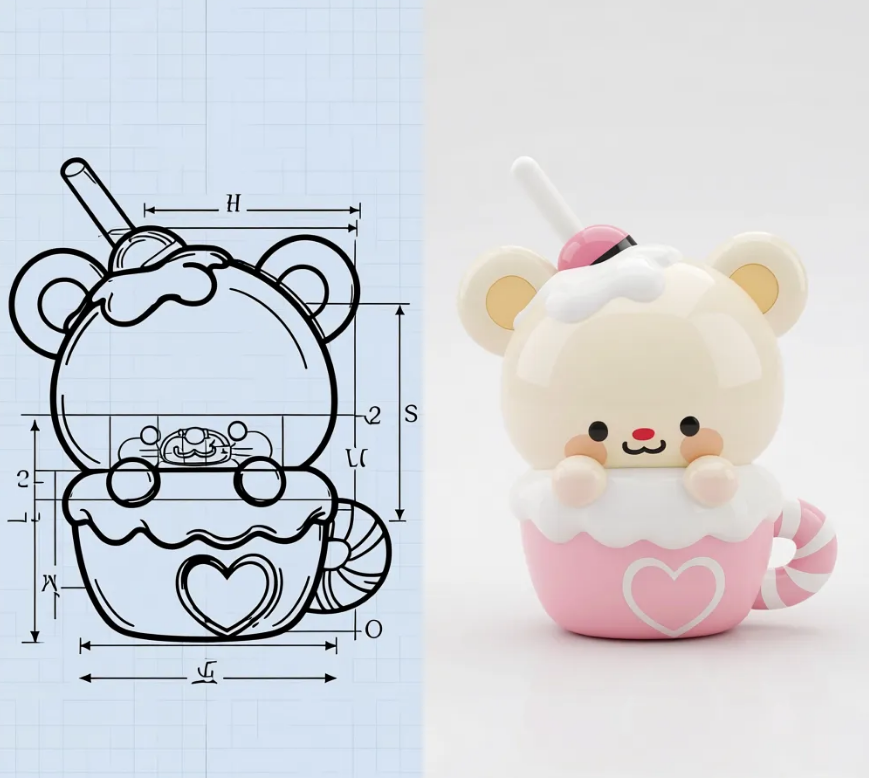
Крок 2: Дызайн і прататыпаванне
Кожны персанаж распрацоўваецца і пераўтвараецца ў прататып.
Гэта ўключае:
- 3D-мадэляванне
- Пробнае вытворчасць
- Дасканаласць дызайну
Калі вы хочаце зразумець, як сілікон спрыяе стварэнню дэталёвых дызайнаў, глядзіце Чаму сілікон ідэальна падыходзіць для спажывецкіх тавараў.
Крок 3: Стварэнне формы
Кожны дызайн патрабуе сваёй формы, каб забяспечыць адзінства ў масавай вытворчасці.
Развіццё цвілі ўключае:
- Прэцызійны інструмент
- Паверхневая апрацоўка
- Шматчасткавыя ліццёвыя канструкцыі
Высакаякасныя прэс-формы маюць вырашальнае значэнне для падтрымання дакладнасці прадукцыі пры вытворчасці вялікіх аб'ёмаў.
Крок 4: Вытворчасць сілікону
Сілікон фармуецца ў праектаваныя формы з дапамогай:
- Прэсаванне
- Упырск вадкага сіліконавага гумкі (LSR)
- Шматколерная ліштва
Сілікон застаецца стабільным падчас вытворчасці і не плавіцца, як традыцыйныя пластмасы, ва ўмовах звычайнай апрацоўкі.
Каб лепш зразумець паводзіны матэрыялу, гл. Ці плавіцца сілікон?.
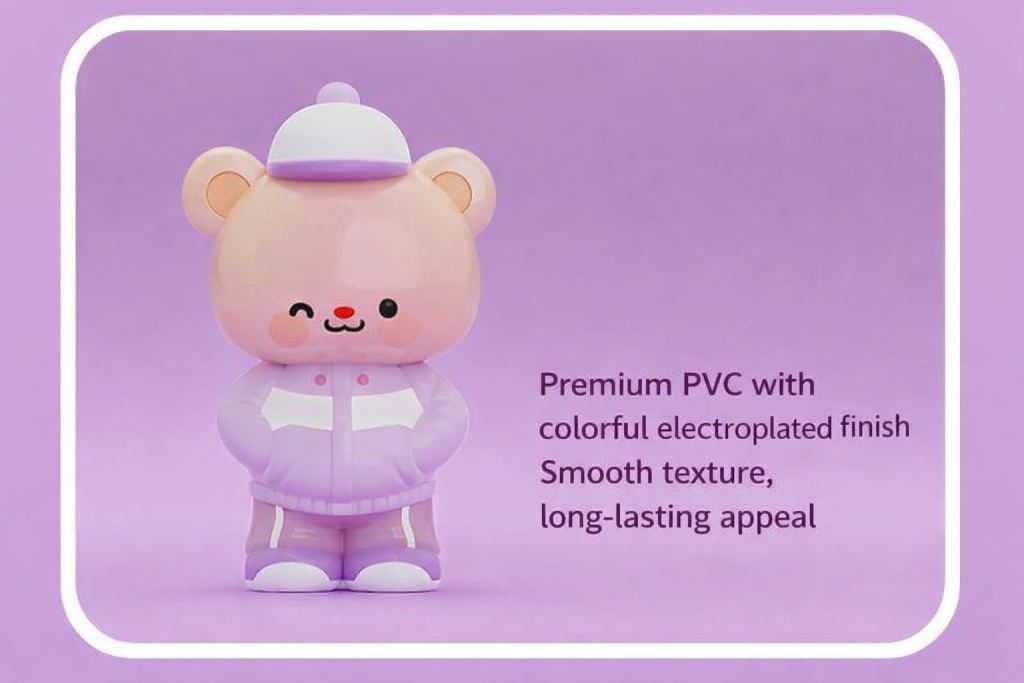
Крок 5: Афарбоўка і аздабленне
Пасля ліцця вырабы праходзяць аздабленне, такое як:
- Ручная распіска
- Распыляванае пакрыццё
- Штампавы друк
Гэты крок гарантуе, што кожны персанаж адпавядае арыгінальнаму дызайну і патрабаванням інтэлектуальнай уласнасці.
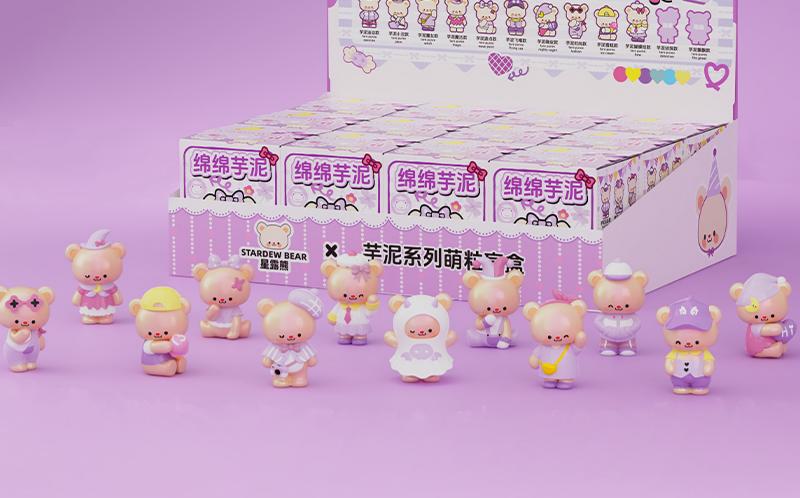
Крок 6: Зборка і ўпакоўка ў сляпую скрынку
Гатовую прадукцыю збіраюць і ўпакоўваюць у сляпыя скрынкі.
У камплектацыю ўваходзіць:
- Случайнае размеркаванне прадукту
- Дызайн брэндаванай скрынкі
- Прэзентацыя гатовая да рознічнага продажу
Для брэндаў упакоўка такая ж важная, як і сам прадукт, бо яна паляпшае ўражанні ад распакоўкі і ўспрыманую каштоўнасць.
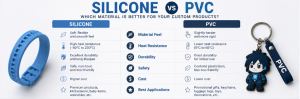
Чаму варта выкарыстоўваць сілікон для слепай упакоўкі?
Сілікон мае некалькі пераваг перад пластыкам:
- Лепшая даўгавечнасць і гнуткасць
- Больш бяспечны матэрыял для апрацоўкі
- Прэміум-адчуванне навобмацак
Для поўнага параўнання гл. Сілікон супраць пластыку ў таварах для спажыўцоў.
Частыя пытанні
П1: Чаму для цацак з бліндабокса выкарыстоўваюць сілікон, а не пластык?
Сілікон забяспечвае лепшую даўгавечнасць, гнуткасць і больш высакаякаснае адчуванне ў параўнанні з пластыкам.
Даведайцеся больш у Сілікон супраць пластыку ў таварах для спажыўцоў.
Пытанне 2: Ці бяспечныя сіліконавыя вырабы для штодзённага карыстання?
Так. Высакаякасны сілікон нетаксічны і бяспечны для частага кантакту.
Падрабязней гл. Ці бяспечны сілікон для штодзённага выкарыстання?.
П3: Ці можна наладзіць сіліконавыя сляпыя скрынкі?
Безумоўна. Сілікон дазваляе дэталёва наладжваць форму, колер і пакрыццё, што робіць яго ідэальным для калекцыйных прадметаў на аснове інтэлектуальнай уласнасці і брэндаванай прадукцыі.
Заключныя думкі
Сіліконавыя блайнд-боксы спалучаюць у сабе калекцыйны дызайн і надзейныя эксплуатацыйныя характарыстыкі матэрыялу. Ад планавання канцэпцыі да канчатковай упакоўкі, кожны этап вытворчага працэсу адыгрывае вырашальную ролю ў якасці прадукту і поспеху на рынку.
Для брэндаў, якія распрацоўваюць прадукцыю на аснове інтэлектуальнай уласнасці або рэкламную прадукцыю, сілікон забяспечвае трывалае, гнуткае і візуальна прывабнае рашэнне.
 English
  Chinese
  Japanese
  Spanish
  French
  Arabic
  Russian
  Portuguese
  Belarusian
[…] Для такіх тавараў, як калекцыйныя прадметы і блайнд-боксы, паслядоўнасць асабліва важная. Вы можаце даследаваць гэта на прыкладзе працэсу вытворчасці сіліконавых блайнд-боксаў. […]