
シリコーンはベーキングのために安全か。知っておきたいこと
シリコーン製ベークウェアは、今や家庭のキッチンやプロのベーカリーでよく見かけるようになった。.
ケーキ型からマフィン型まで、シリコーン製品は柔軟性があり、焦げ付きにくく、使いやすいものとして販売されている。.
しかし、多くの人はいまだに重要な疑問を抱いている:
シリコーンはベーキングに安全ですか?
この記事では、シリコーンがベーキングに安全かどうか、熱の下でどのように振る舞うか、食品グレードのシリコーンの何を探すべきか、そして最高のベーキング結果を得るための正しい使い方について説明します。.
はい、シリコーンはベーキングのために安全である
はい、食品用シリコーンはベーキングに安全です。.
高品質のシリコーン製ベークウェアは、溶けたり、ゆがんだり、有害な化学物質を放出したりすることなく、オーブンの高温に耐えられるように特別に設計されています。.
ほとんどの食品グレードのシリコーン製品は、以下の温度で安全です。 428°F および 500°F (220°C-260°C), これは、ほぼすべての製パンニーズをカバーしている。.
重要なのは、選択することだ。 食品用認定シリコーン 製造元のガイドラインに従って使用すること。.
何がシリコーンをベーキングのために安全にさせるか。
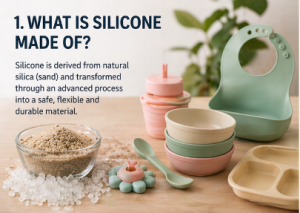
シリコーンはケイ素、酸素、炭素、水素からできている。.
プラスチックとは異なり、シリコーンは高熱にさらされても化学的に安定したままである。.
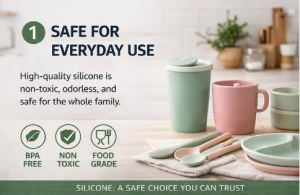
食品グレードのシリコーンである:
- BPAフリー
- 無害
- 無味無臭
- 熱や寒さに強い
この安定性により、シリコーンはベークウェアだけでなく、医療や食品に接触する用途にも広く使用されている。.
シリコーンは他のベーキング材料より安全か。
シリコーンは金属、ガラス、プラスチック製のベークウェアとよく比較される。.
シリコーン vs プラスチック
プラスチックは 焼成には適さない, 高温で溶けたり、化学物質を放出したりする可能性があるため。.
シリコーンは食品用であれば、耐熱性と安定性がはるかに高い。.
シリコーン vs 金属
金属製のベークウェアは加熱が早く、食材をより積極的に焼くことができる。.
シリコンの方が、よりやさしく均一に焼けるし、離型もしやすい。.
シリコーン vs ガラス
ガラスは保温性が高いが、重く、急激な温度変化で割れやすい。.
シリコーンは軽量で柔軟性があり、壊れにくい。.
それぞれの素材には利点があるが、シリコーンは使いやすさと正しく扱った場合の安全性で際立っている。.
シリコーンのベーキングのための安全な温度は何ですか。
ほとんどのシリコーン製ベークウェアは安全です:
- 428°F (220°C) 標準製品用
- 500°F (260°C) プレミアムまたは強化シリコーン用
ただし、シリコーンは ない 使える:
- ブロイラー
- 直火
- 直接コンロにかける
正確な定格温度については、必ず製品ラベルを確認してください。.
シリコーンでのベーキングに関する一般的な懸念
シリコーンは加熱すると毒素を放出しますか?
いいえ。高品質の食品用シリコーンは、ベーキング温度で有害な化学物質を放出しません。.
シリコンはオーブンで溶けますか?
いいえ、シリコーンは通常のベーキングでは溶けません。通常のオーブン使用をはるかに超える極端な温度でのみ劣化する可能性があります。.
シリコーンは食品の味に影響しますか?
適切に作られたシリコーンは無味無臭で、食品の味に影響を与えない。.
オーブンでシリコーンを使用する予定がある場合は、オーブンにシリコーンを入れることができますで安全な温度制限を打破する。.
シリコーンの bakeware と安全に焼くための先端
シリコンを使ったベーキングで、最も安全で最高の結果を得るために:
- シリコンの型は、次のような場所に置く。 金属製ベーキングトレイ 安定のために
- 急激な温度変化を避ける
- シリコーンモールドの中で直接食品を切らないでください。
- 使用後は必ず洗浄してください。
- べとついたり、ひびが入ったり、破損した場合は、ベークウェアを交換する。
これらの方法は、シリコーン製ベークウェアの寿命を延ばし、安定したベーキング結果を保証するのに役立ちます。.
シリコーン製ベークウェアにグリースを塗る必要がありますか?
通常は、そうではない。.
シリコーンは当然こびりつきにくいが、軽く油を塗っておくと便利だ:
- 粘着性の高いレシピを焼く
- 精巧な金型を使用
- 新しいシリコン製ベークウェアで初めてのパン作り
耐熱性と素材の安全性については、シリコーンの安全性と耐熱性に関するガイドをご覧ください。.
最終的な感想
だから, シリコーンはベーキングに安全ですか?
もちろんだ。.
高品質、食品グレードのシリコンを選択し、適切な温度ガイドラインに従うと、シリコーンベイクウェアは、自宅でベーキングのための安全で信頼性の高い、便利なオプションです。.
熱によるシリコーンの挙動を理解することで、自信を持って焼くことができ、よくある失敗を避けることができます。.
 English
  Chinese
  Japanese
  Spanish
  French
  Arabic
  Russian
  Portuguese
  Belarusian
[...]シリコーンは熱に非常に異なって反応し、多くの人々はまた私達がで説明するベーキングのために安全であるかどうか尋ねるシリコーンは[...]のために安全である。